
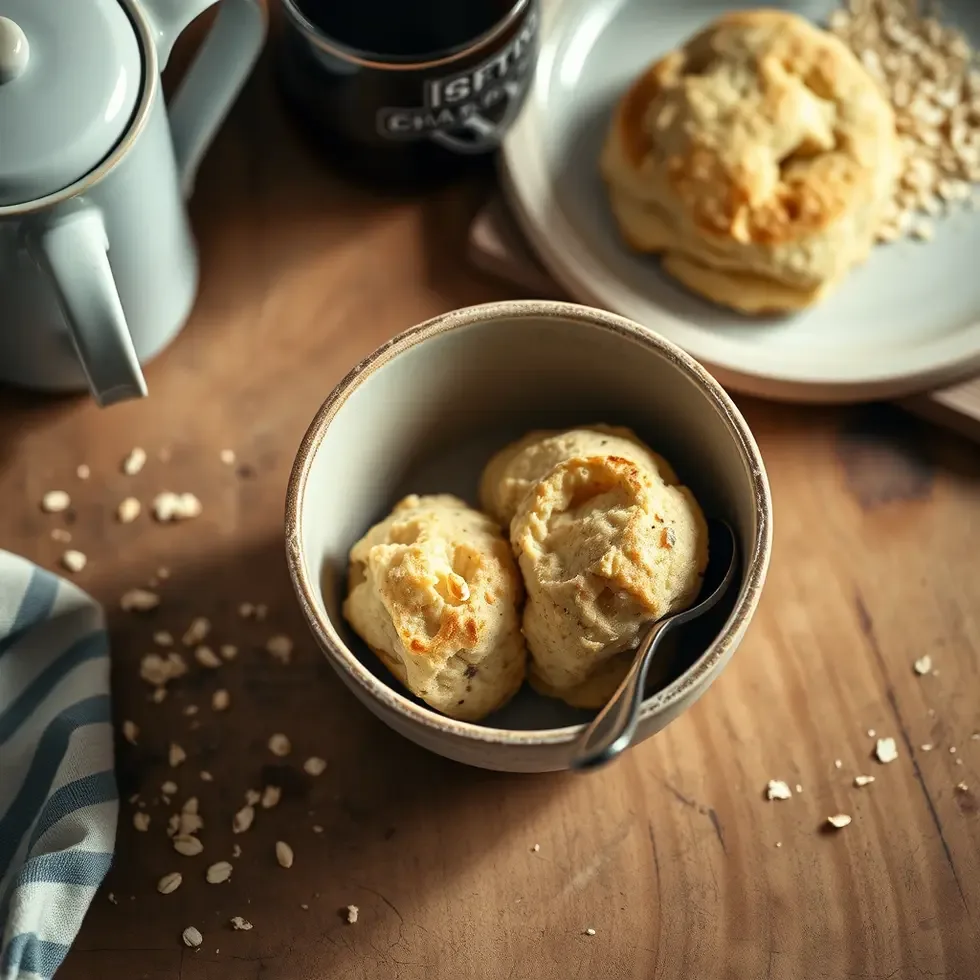
Ah, scones – the quintessential British bake that’s both comforting and elegant. I still remember my first attempt at making scones from scratch it was a disaster! But after years of trial and error, I’ve finally perfected my scones recipe and I’m excited to share it with you.
Whether you’re a seasoned baker or a beginner, this article will walk you through the dos and don’ts of making scones that are truly special. And if you’re wondering what makes a great scone, it’s all about the balance of flavors and textures – that perfect combination of crumbly, buttery goodness and tender, flaky layers. Speaking of which, have you ever tried making scones with a secret ingredient that takes them to the next level?
Table of Contents
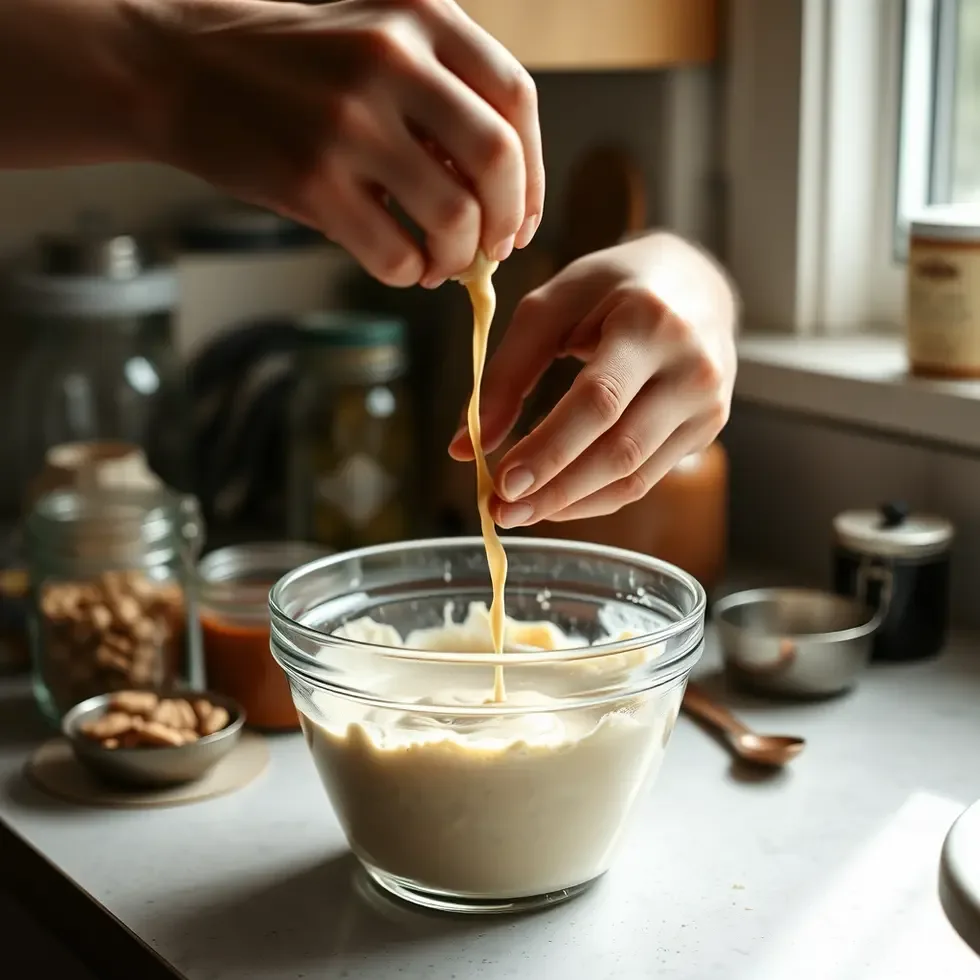
The Science of Scone Making
Understanding the Role of Leavening Agents
When it comes to making scones, leavening agents play a crucial role in helping them rise. But did you know that using the right combination of leavening agents can make all the difference? I like to use a mixture of baking powder and baking soda to give my scones a light and airy texture. And if you’re wondering why you need both, it’s because baking powder is a mixture of baking soda and an acid (usually cream of tartar) that’s designed to release gas more slowly over time.
The Importance of Cold Ingredients
Another key factor in making great scones is using cold ingredients. This is especially important when it comes to the butter – you want it to be ice-cold so that it creates a flaky texture when it’s mixed with the dry ingredients. I like to freeze my butter for at least 30 minutes before I start making my scones to ensure it’s nice and cold.
Don’t Overmix!
One of the biggest mistakes people make when making scones is overmixing the dough. This can lead to tough, dense scones that are more like biscuits than the real deal. So what’s the secret to avoiding this? It’s simple – just mix the ingredients until they come together in a shaggy mass, then stop mixing! You can always give the dough a quick knead or two to bring it together, but don’t overdo it.
Scone Variations: Endless Possibilities
From Sweet to Savory – The Options are Endless
One of the best things about making scones is the endless possibilities when it comes to flavor combinations. From classic buttermilk and chive to sweet treats like strawberry and cream, the options are truly endless. And if you’re feeling adventurous, why not try adding some savory ingredients like cheese and herbs to create a truly unique flavor profile?
Get Creative with Toppings and Mix-ins
But the fun doesn’t stop there – you can also get creative with toppings and mix-ins to add an extra layer of flavor and texture to your scones. I like to add a sprinkle of sea salt or a handful of chopped nuts to give my scones a bit of crunch and flavor. And if you’re feeling fancy, why not try adding some dried fruit or chocolate chips to create a sweet and indulgent treat?
The Ultimate Scones Recipe: Step-by-Step
Step 1: Preheat Your Oven
Preheat your oven to 400°F (200°C). Line a baking sheet with parchment paper or a silicone mat.
Step 2: Mix the Dry Ingredients
In a large mixing bowl, combine 2 cups (250g) all-purpose flour, 1/4 cup (50g) granulated sugar, 1/2 teaspoon baking powder, and 1/2 teaspoon salt.
Step 3: Add the Cold Butter
Add 1/2 cup (115g) cold unsalted butter to the dry ingredients. Use a pastry blender or your fingertips to work the butter into the flour mixture until it resembles coarse crumbs.
Step 4: Mix in the Wet Ingredients
In a separate bowl, whisk together 3/4 cup (180ml) heavy cream, 1 large egg, and 1 teaspoon vanilla extract. Pour the wet ingredients into the dry ingredients and stir until the dough comes together in a shaggy mass.
Step 5: Knead the Dough
Turn the dough out onto a floured surface and knead it a few times until it comes together. Pat the dough into a circle that’s about 1 inch (2.5 cm) thick.
Step 6: Cut Out the Scones
Use a biscuit cutter or the rim of a glass to cut out scones. You should be able to get about 8-10 scones depending on the size.
Step 7: Bake the Scones
Place the scones on the prepared baking sheet and bake for 15-20 minutes, or until they’re golden brown.
Conclusion
So there you have it – the ultimate scone recipe that’s sure to impress. Whether you’re a seasoned baker or a beginner, this recipe is sure to become a favorite. And remember, the key to making great scones is all about the balance of flavors and textures – so don’t be afraid to experiment and find your own unique flavor combinations.
Frequently Asked Questions
What’s the best way to store scones?
Scones are best stored in an airtight container at room temperature for up to 3 days. You can also freeze them for up to 2 months and thaw them at room temperature when you’re ready to bake.
Why do my scones always turn out dense and heavy?
There are a few reasons why your scones might be turning out dense and heavy – overmixing the dough, using warm ingredients, or not enough leavening agents. Try reducing the amount of mixing and using cold ingredients to see if that makes a difference.
Can I make scones ahead of time and freeze them?
Yes, you can make scones ahead of time and freeze them. Simply pat the dough into a circle, cut out the scones, and place them on a baking sheet lined with parchment paper. Freeze the scones for at least 30 minutes, then transfer them to a freezer-safe bag or container for up to 2 months.
Ingredients
Method
- Preheat oven to 400°F (200°C). Line a baking sheet with parchment paper.
- In a large bowl, whisk together flour, sugar, baking powder, and salt.
- Add cold butter to the dry ingredients and use a pastry blender or fingers to work it into the mixture until it resembles coarse crumbs.
- In a separate bowl, whisk together heavy cream and egg until well combined.
- Pour the cream mixture over the dry ingredients and stir until the dough comes together in a shaggy mass.
- Turn the dough out onto a floured surface and gently knead it a few times until it comes together.
- Pat the dough into a circle that is about 1 inch (2.5 cm) thick.
- Use a biscuit cutter or the rim of a glass to cut out scones.
- Place the scones on the prepared baking sheet, leaving about 1 inch (2.5 cm) of space between each scone.
- Bake for 15-20 minutes, or until the scones are golden brown.