
Lemon artichoke white bean pasta brings together ingredients that are useful to keep on hand: a can of artichoke hearts, a can of cannellini beans, dry pasta, and a fresh lemon. The result is a bright, savory lunch with tender pasta, soft beans, pleasantly firm artichokes, and spinach. There is no need to make a heavy cream sauce. Instead, olive oil, lemon, and a little starchy pasta water coat every shape without overpowering the vegetables.
This is a warm pasta dish rather than a cold pasta salad. Cooking the artichokes briefly in olive oil builds flavor, then the beans and spinach join just long enough to heat through. The method is straightforward enough for a weekday, but a few details determine the texture: drain canned ingredients well, reserve pasta water before draining, and add fresh lemon near the end. The recipe card has the exact quantities and seven clear steps.
Table of Contents
What Makes This Pasta Different?
The artichokes contribute a distinctive, lightly tangy flavor that changes an ordinary bean-and-pasta lunch into something more interesting. White beans provide a creamy texture without being blended or turned into a purée. Spinach adds color and wilts quickly enough that it does not need a separate pan. Lemon zest is important because it delivers aromatic citrus flavor without the acidity of extra juice. Together, these ingredients create a sauce that feels lively rather than heavy.
The dish is intentionally different from tomato-based pasta. If you are looking for a saucier red option, the one-pot tomato and spinach pasta uses the starch from cooking pasta directly in a tomato broth. Here, the noodles cook separately while the vegetables are assembled in a sauté pan. Keeping those methods distinct helps you choose the one that fits the ingredients and cookware you have.
Choose the Best Pasta Shape
Short, textured pasta such as penne or fusilli works especially well because beans and artichoke pieces can settle into its ridges and curves. This recipe calls for twelve ounces of dry pasta, enough for four generous lunches when paired with the beans and vegetables. Long spaghetti will work in principle, but the artichokes are harder to distribute through long strands, and some will end up at the bottom of the bowl.
Cook the pasta in a large pot of gently salted water and begin tasting just before the time printed on the package. You want an al dente texture: tender in the center but not falling apart. Before draining, scoop out a full cup of the starchy water. It may look unimportant, but it is the liquid that makes olive oil and lemon cling to the pasta instead of pooling beneath it. You will not necessarily need the whole cup.
Canned Artichokes and White Beans
Choose artichoke hearts packed in water rather than heavily marinated hearts if you want the lemon and garlic to set the flavor. Drain and quarter them, then press gently with a towel to remove extra moisture. Adding dripping-wet artichokes to hot oil causes sputtering and leaves them steaming rather than lightly browning. If a jar of marinated artichokes is all you have, drain it well and reduce added oil and seasonings to avoid an overly salty result.
Cannellini beans are tender and mild, which makes them a natural partner for lemon. Rinse the beans briefly in a sieve to remove the thick canning liquid, then shake the sieve until the beans are well drained. Great northern beans are a good alternative, though smaller navy beans can become softer when heated. Stir gently after the beans enter the pan; vigorous stirring can turn the whole dish into an accidental bean mash.
Build Flavor With Garlic and Lemon
Start with olive oil warmed over medium heat, then add minced garlic for only thirty to forty-five seconds. The garlic should smell fragrant, not turn dark brown. Bitter burnt garlic is difficult to disguise with lemon, so it is worth watching the pan. Stir in the artichokes and give them several minutes to heat and develop slightly golden edges. Optional red pepper flakes can go in with the garlic for a subtle warmth.
Add the beans with a splash of reserved pasta water and heat them gently before wilting the spinach. Only then should the cooked pasta go back into the pan. Finish with lemon zest, about two tablespoons of juice, parsley, black pepper, and enough additional pasta water to make a glossy coating. A little grated Parmesan is optional; add it off the heat so it melts smoothly instead of clumping.
Printable Recipe Card
Use this structured recipe card for the exact ingredient amounts, four-serving quantities, cooking times, and ordered method.
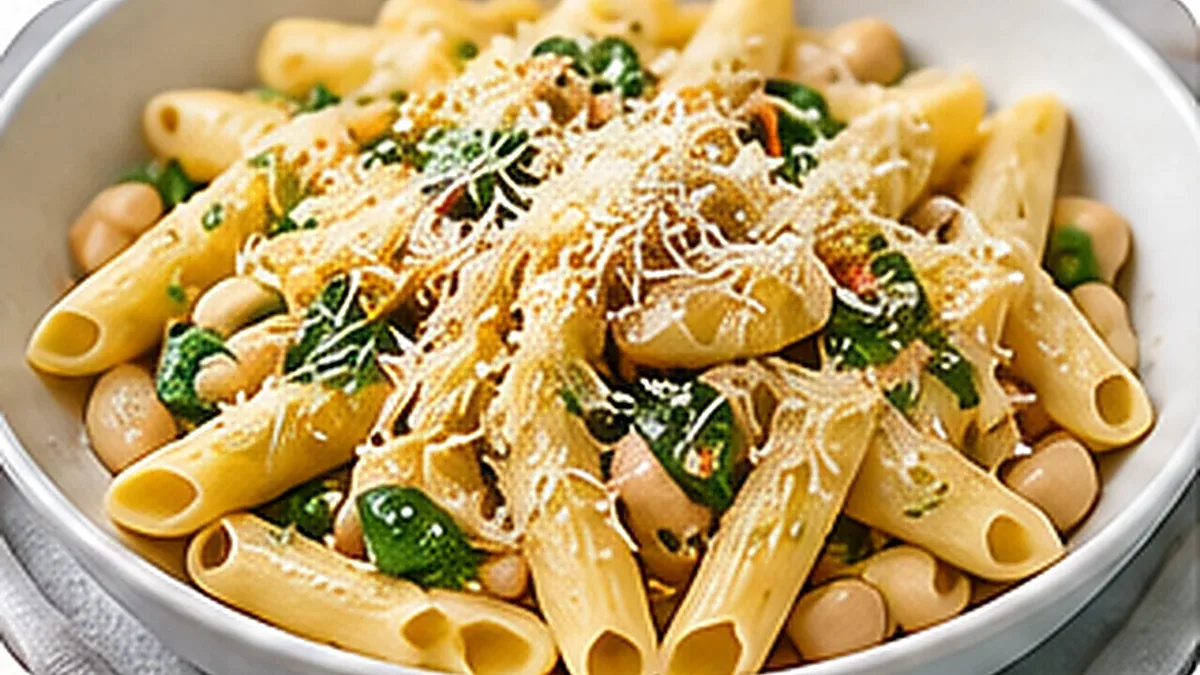
Lemon Artichoke and White Bean Pasta
Ingredients
Method
- Bring a large pot of water to a boil, salt lightly, and cook pasta until al dente. Reserve 1 cup pasta water before draining.
- While the pasta cooks, drain artichokes thoroughly and pat dry. Rinse and drain beans.
- Heat olive oil in a large sauté pan over medium heat; cook garlic and optional pepper flakes for 30–45 seconds without browning.
- Add artichokes and sauté 3–4 minutes to heat and lightly color their edges.
- Stir in beans and 1/3 cup pasta water, heat gently for 2 minutes, then add spinach and let it wilt.
- Add drained pasta, lemon zest, lemon juice, pepper, parsley, and enough pasta water to create a glossy coating.
- Taste for seasoning, fold in optional Parmesan off heat, and serve warm.
Notes
Step-by-Step Method and Timing
Put the pasta water on first. While it comes to a boil, drain the artichokes and beans, wash the spinach, zest the lemon, and mince the garlic. This preparation matters because the garlic stage is short and you do not want to stop to open cans while it cooks. Once the pasta is nearly done, warm the oil and make the vegetable mixture. Reserve the pasta water, drain the noodles, and transfer them directly into the pan.
Toss with gentle movements rather than stirring hard. The beans are delicate, and the artichoke quarters should retain their shape. Start with a third of a cup of pasta water and add more only if the noodles seem dry. The final sauce is not supposed to be soupy: it should coat the pasta and leave a light sheen. Taste before adding extra salt, especially if the artichokes or Parmesan have supplied plenty already.
Fix Dry, Bitter, or Watery Pasta
If the finished bowl looks dry, add two tablespoons of warm reserved pasta water at a time and toss again. Pasta continues to absorb liquid after leaving the heat, so it is normal to need a little extra when serving. If the sauce seems oily, a few tablespoons of starchy water and a thorough toss can bring it together. Too much lemon juice can make the result sharply sour; balance by adding more pasta or beans, not by masking it with sugar.
Watery pasta usually means the artichokes or spinach released excess liquid. Drain the artichokes carefully and let any spinach moisture evaporate before adding noodles. Burnt garlic is a separate problem: if it has turned dark and bitter, start the oil-and-garlic step again in a clean pan. With only three cloves, fresh garlic is cheaper than ruining an entire pot of pasta.
Substitutions and Practical Variations
Use great northern beans instead of cannellini beans, or replace part of the spinach with arugula added at the very end for a peppery finish. Parsley can be swapped for basil when it is available. If you prefer more vegetables, add a small quantity of cooked zucchini, but avoid overwhelming the pasta with wet additions. The recipe is already balanced for four portions; large substitutions may require more lemon or reserved water.
For a different pasta texture, try the pesto pasta with cherry tomatoes, which has a herb-based rather than lemon-based finish. If you are organizing a broader pasta night, browse the best pasta recipes guide for distinctly different sauces and shapes. These are complementary recipes, not several pages targeting exactly the same dish.
Serving, Meal Prep, and Storage
Serve the pasta warm, with parsley or optional Parmesan at the table. A crisp green salad gives a pleasing contrast; toasted bread is useful if you want to stretch it into a larger meal. Because the dish contains beans and pasta, it can also be served as the main course for lunch without a separate protein dish. Use a bowl wide enough to toss without crushing the beans and divide the four servings promptly.
Let leftovers cool briefly, transfer to shallow airtight containers, and refrigerate within two hours. Use within three to four days. Reheat with a small splash of water over gentle heat or in short microwave intervals, stirring so the pasta warms evenly. Leftovers should be heated thoroughly to 165°F (74°C). Fresh lemon added after reheating restores the bright flavor that tends to soften during refrigeration.
Frequently Asked Questions
Can I use frozen artichoke hearts?
Yes. Thaw and drain them thoroughly, then sauté until their excess moisture evaporates before adding beans.
Are marinated artichokes suitable?
They can work, but drain them well and reduce added oil, salt, and acidic seasonings because the marinade is already flavorful.
Which beans work instead of cannellini?
Great northern beans are a good alternative. Add them gently near the end to avoid breaking them down.
Can I make this pasta without Parmesan?
Yes. Parmesan is optional; olive oil, lemon, garlic, and starchy pasta water make the essential coating.
How do I reheat leftover artichoke pasta?
Add a splash of water and reheat gently until thoroughly hot, reaching 165°F (74°C). Refrigerate leftovers promptly and use within three to four days.
A Bright Lunch From Pantry Staples
When artichokes, beans, and pasta are already in the pantry, lunch does not require an elaborate plan. Keep the garlic golden rather than brown, save that cup of pasta water, and finish with fresh lemon once the mixture is warm. The method is flexible enough for everyday cooking but specific enough to produce a coherent plate with a distinct flavor and texture.