
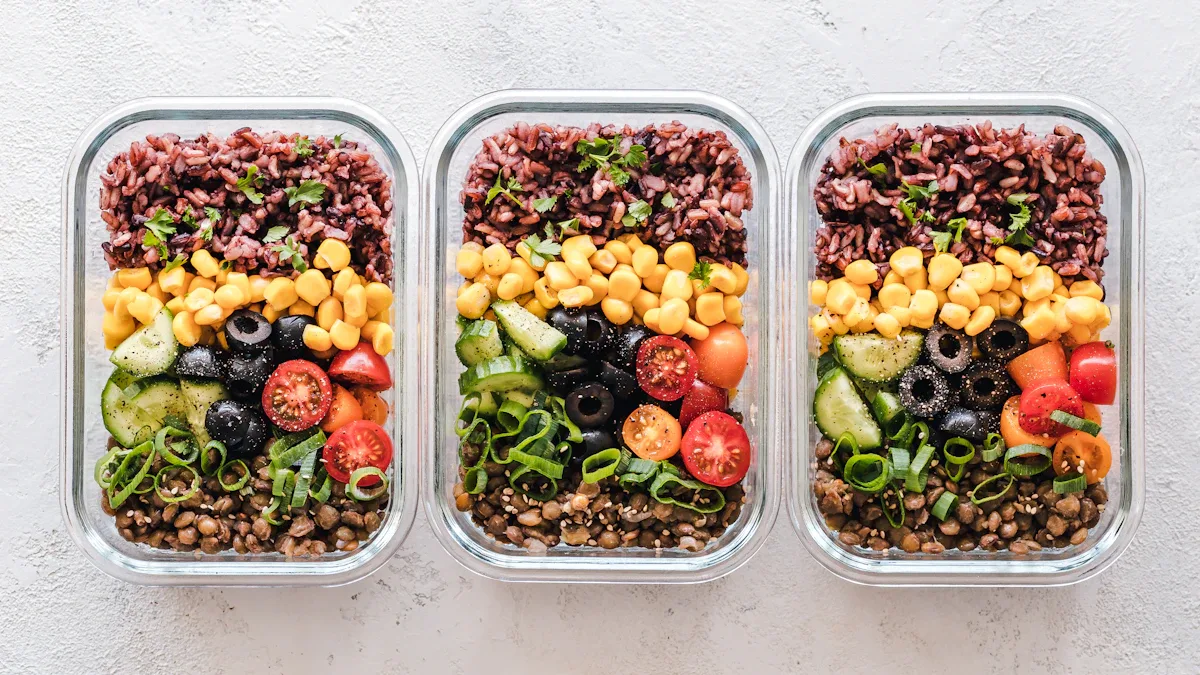
Packing lunch is easy until you need a cold salad, a warm main dish, and crisp bread to survive the same commute. This practical guide explains how to keep hot and cold lunch components separate, protect texture, and make safe decisions about leftovers without relying on guesswork.
Table of Contents
Why lunch temperature matters
A packed lunch may spend hours between the kitchen and the moment it is eaten. That interval matters more than whether the meal looks fresh when you close the container. Cooked chicken, eggs, dairy foods, cooked grains, and cut produce can require temperature control. A sandwich containing chicken is not automatically safe because the bread feels cool. Plan the packing method around the most perishable ingredient, not the most convenient container. A well-designed lunch also considers texture: condensation softens bread, wet toppings leak into grains, and sealed hot food may steam crisp components. Temperature control and good eating quality are separate problems that need separate solutions.
Decide whether the lunch will be hot or cold
Start with the actual eating situation. Is there a reliable refrigerator at work or school? Will the lunch stay in a parked vehicle? Is a microwave available? Can the person open a hot food jar safely? Cold meals generally travel best with an insulated lunch bag and enough frozen cold sources to keep perishable food at 40°F (4°C) or below. Hot meals need a properly preheated insulated food container capable of maintaining 140°F (60°C) or above. Do not assume an ordinary tote, decorative lunch box, or single small ice cube provides adequate protection. If you cannot maintain the necessary temperature, choose a shelf-stable meal instead.
The two-hour rule is a limit, not a packing strategy
According to FoodSafety.gov, perishable foods should not remain in the temperature danger zone between 40°F and 140°F (4°C to 60°C) for more than two hours; the limit is one hour when ambient temperature exceeds 90°F (32°C). This is a cumulative exposure limit, not permission to deliberately leave lunch unrefrigerated until the final minute. Time spent preparing, transporting, and waiting to eat all counts. An ice pack is useful only when it actually keeps the food cold. Check with a food thermometer when uncertain rather than relying on the outside of a bag feeling cool. Review the official four steps to food safety before packing highly perishable meals.
Build a cold lunch with deliberate layers
For a cold lunch, refrigerate the ingredients before assembly rather than expecting frozen packs to chill a warm meal quickly. Place chilled containers next to frozen gel packs in an insulated bag, with an additional cold source above when practical. Keep the bag closed until eating and store it in the coolest available place. Put dressings, tomatoes, pickles, and juicy fruit in separate leakproof containers. A sturdy base such as a whole-grain roll, rice bowl, or bean salad should not sit directly beneath watery toppings for several hours. For a sandwich, dry lettuce thoroughly and use a thin moisture barrier such as cheese or hummus only when the filling is otherwise safely chilled.
Pack a hot lunch without warming the cold food
An insulated food jar can work for hot soup, chili, or a saucy grain dish. Follow the manufacturer’s instructions for preheating the jar with boiling water, then empty it and immediately add food that has been heated thoroughly. Close it promptly. Use a separate insulated bag for cold yogurt, fruit, and salads. Do not place a hot jar against a cold chicken sandwich in one small bag: the jar warms nearby food while the cold packs drain heat from the jar. If the hot container cannot keep food at or above 140°F (60°C) until lunch, choose a refrigerated meal that can be reheated safely at the destination.
Choose containers by function, not appearance
A leakproof box is excellent for saucy salads but may trap moisture around crispy ingredients. A divided container helps keep crunchy crackers away from wet toppings, although it does not replace temperature control. Shallow containers help cooked foods cool quickly in the refrigerator before packing. For hot foods, use a container specifically rated for hot holding, with a seal that the eater can open without spilling. A small wide-mouth jar can be easier to eat from than a deep narrow flask. Label reusable containers with the date when preparing multiple lunches and avoid leaving cooked portions in large deep tubs that cool slowly.
Keep sandwiches and wraps from turning soggy
Pack bread and wet fillings separately whenever possible. For a chicken wrap, drain cooked vegetables, pat lettuce dry, and cool cooked chicken in the refrigerator before assembly. Place tomatoes and sauces in their own small containers. Wrap tightly enough to hold the filling, but avoid compressing the bread into a damp mass. If the lunch must be assembled in advance, put the driest ingredients against the tortilla and wetter ingredients in the center. The sandwich must still be kept at a safe temperature if it contains perishable fillings. For a different lunch base, see our tuna and white bean salad, which also benefits from chilled storage.
Use leftovers safely
Cooked leftovers should be refrigerated promptly, ideally in shallow portions, and used within the recommended storage period for the specific food. Most properly refrigerated cooked leftovers should be eaten within three to four days. Reheat leftovers to 165°F (74°C) when reheating is required; do not use an insulated jar to slowly warm food from refrigerator temperature. For meal-prep chicken, portion before freezing and thaw safely in the refrigerator. Our guide to how long cooked chicken can sit out explains why time and temperature matter even when the food looks normal.
Make a simple five-day lunch workflow
On preparation day, select two sturdy bases, such as cooked rice and whole-grain bread, and two vegetables that keep their texture. Divide cooked foods into shallow portions and refrigerate promptly; freeze portions intended for day four or five rather than holding an entire five-day batch in the refrigerator. Most cooked leftovers should be used within three to four days when continuously refrigerated at 40°F (4°C) or below. The night before, transfer a frozen portion to the refrigerator to thaw safely, and freeze the gel packs.
Never thaw perishable lunch components on the counter. In the morning, assemble only the components that tolerate contact; place sauces and crisp toppings in separate containers. Pack the insulated bag last, just before departure. At the destination, refrigerate the meal if possible. Discard food that has exceeded safe time and temperature limits rather than saving it for another day.
Three practical lunch combinations
A cold chickpea-and-cucumber bowl can travel with chilled chickpeas, chopped vegetables, and lemon dressing in separate containers; add the dressing just before eating. A chicken-and-rice lunch works best when both components have been chilled quickly and packed beside adequate ice packs, then reheated thoroughly at the destination. A hot vegetable soup can travel in a preheated food jar, with bread and sliced fruit packed separately. Each combination illustrates the same principle: temperature control comes first, and texture is protected by separating wet, crisp, hot, and cold elements. For soup preparation, consider our lemon chicken orzo soup as a meal idea, while checking your jar’s hot-holding performance.
Common mistakes that are easy to avoid
The first mistake is packing food while it is still warm and expecting a single ice pack to cool it. The second is treating an insulated bag as a refrigerator without frozen cold sources. The third is mixing hot and cold items in one compartment. Another common problem is putting sauces directly on bread hours before lunch. Finally, a meal may be perfectly chilled when packed but unsafe after sitting in a hot car. Use a thermometer for uncertain temperatures, follow your container’s instructions, and choose a shelf-stable alternative when temperature control cannot be assured. Convenience should never depend on guessing whether a perishable lunch stayed safe.
Frequently Asked Questions
Can hot and cold foods go in the same lunch bag?
Separate them into independently insulated compartments or bags. A hot container can warm perishable cold food, while ice packs can cool the hot food below a safe holding temperature.
How many ice packs do I need?
There is no universal number. Use enough frozen cold sources and an insulated bag to maintain 40°F (4°C) or below until the food is eaten, and verify performance in your conditions.
Can I pack a warm chicken sandwich?
For a meal eaten hours later, chill the cooked chicken promptly and keep the assembled sandwich cold, or maintain it hot using suitable equipment. Avoid leaving it lukewarm.
Is an insulated food jar safe for rice?
Only if the rice has been handled safely and the jar maintains a safe hot-holding temperature. Otherwise refrigerate promptly and reheat thoroughly at the destination.
What if the lunch bag is left in a hot car?
Move it to reliable refrigeration promptly. If perishable food has exceeded safe time-temperature limits, discard it; smell and appearance cannot establish safety.