
Garlic lemon chicken pasta is a straightforward skillet dinner built around golden chicken, fresh lemon, and a glossy sauce that coats the noodles without heavy cream. The chicken cooks separately while the pasta boils, then both come together with garlic, a little broth, butter, and starchy pasta water. Chopped parsley finishes the dish with color and freshness. It is a useful choice when you want a chicken dinner that tastes brighter and lighter than a rich cream sauce.
This recipe uses bite-size boneless chicken breast and twelve ounces of linguine or penne. Lemon is measured carefully so the sauce tastes fresh rather than sharply sour, while pasta water helps the butter and broth cling to the noodles. The precise ingredients and quantities appear in the recipe card. The guide below explains the timing, how to keep chicken juicy, and how to correct a sauce that seems too thin or oily.
Why Garlic and Lemon Work with Chicken
Garlic adds savory depth but can become bitter if fried until dark. Lemon juice brings acidity, and lemon zest contributes fragrant citrus oils. Butter softens the sharper edge of the juice. These flavors go naturally with simply seasoned chicken because the browned bits left in the pan dissolve into the broth and become part of the sauce.
Fresh lemon does two distinct jobs. Grate only the yellow outer peel before cutting it to squeeze the juice, and avoid the bitter white pith beneath the zest. Start with the measured amount of juice and taste after tossing the pasta. Serving extra lemon wedges at the table is easier to control than adding too much acidity to the whole skillet early in cooking.
Choose the Right Chicken and Pasta
Boneless, skinless chicken breast cooks quickly when cut into even bite-size pieces. Pat the chicken dry before seasoning so it browns rather than steaming in the skillet. The pieces should be similar in thickness; very small pieces can dry out while larger ones are still cooking. Boneless thighs are a possible variation, but they change cooking time and flavor. Whichever cut you use, confirm safe doneness with a food thermometer.
Linguine gives you long strands that catch a thin glossy sauce, while penne collects the liquid inside its tubes. Twelve ounces of dried pasta provides about four servings when combined with chicken and a vegetable side. Taste the pasta before the minimum package time because it will warm again in the skillet. Drain it while still just shy of the tenderness you want.
Ingredients for a Light, Glossy Sauce
The sauce uses olive oil, minced garlic, low-sodium chicken broth, fresh lemon juice and zest, unsalted butter, parsley, and starchy pasta cooking water. Parmesan is optional. These ingredients are simple, but the proportions matter. Broth provides a small amount of liquid and savory flavor, butter adds richness, and the pasta water helps emulsify the sauce so it clings to the noodles rather than collecting at the bottom of the skillet.
Keep the broth low in sodium if possible because pasta water and optional Parmesan can add salt. Add parsley off the heat so its fresh flavor remains noticeable. Fresh basil can also work, although it changes the character of the dish. You do not need a thick dairy sauce to make a satisfying chicken pasta; the texture comes from tossing the ingredients with the right amount of liquid.
Equipment and Meal Timing
Use a large pot for the pasta, a wide skillet for the chicken, a colander, a fine grater for zest, and a food thermometer. The skillet should have enough surface area to brown the pieces in a single layer. If it is crowded, cook the chicken in batches rather than waiting for excess moisture to evaporate. Prepare the lemon and garlic before you begin browning the meat because the sauce comes together quickly.
Start the pasta water first. While it heats, cut and season the chicken and prepare the fresh ingredients. Before draining, scoop out one full cup of starchy water in a heatproof measuring jug. You may use only a fraction of it, but once it has been discarded, plain water will not provide quite the same coating. Keep the cooked chicken on a clean plate until it is time to bring everything together.
How to Make Garlic Lemon Chicken Pasta
Step 1: Cook Pasta Almost Until Tender
Boil the pasta in moderately salted water, checking before the shortest package time. You want it to finish in the skillet without becoming mushy. Save one cup of the cloudy cooking water before draining, then leave the pasta unrinsed so its starch can help the sauce cling.
Step 2: Cut and Season Chicken
Pat boneless chicken dry and cut it into evenly sized bites. Season lightly with fine salt and black pepper. Keep the raw-chicken cutting board and knife separate from cooked food, and wash your hands after handling the meat.
Step 3: Brown the Chicken Safely
Heat a tablespoon of olive oil over medium-high heat. Arrange the pieces in one layer and leave them briefly so a golden surface develops. Turn and continue cooking for approximately five to seven minutes depending on their size. Every piece needs to reach 165°F (74°C) in its thickest section. Transfer to a clean plate instead of leaving it in the skillet while the sauce reduces.
Step 4: Gently Cook the Garlic
Reduce the heat to medium and add the remaining oil, followed by the garlic. Stir for around thirty seconds until fragrant. If the skillet is extremely hot after the chicken, let it cool briefly. Garlic that burns will make the finished lemon sauce taste bitter, and extra lemon will not correct that flavor.
Step 5: Build the Lemon Sauce
Add the broth and scrape the browned bits from the bottom of the skillet. Simmer for two minutes, then stir in lemon zest, lemon juice, and butter. Allow the butter to melt while keeping the heat gentle. The sauce should be liquid enough to coat pasta once the reserved water is added.
Step 6: Toss Pasta and Chicken
Return the chicken to the skillet and add the drained pasta. Toss and add reserved cooking water a little at a time until the noodles look lightly glossy. You will probably not need the entire cup. Warm everything only briefly because the chicken is already cooked, and prolonged heating can dry it out.
Step 7: Finish with Parsley
Turn off the heat and fold in chopped parsley. Taste a bite containing both chicken and pasta before adjusting salt or lemon. Serve immediately, adding optional Parmesan at the table. The sauce should cling in a thin layer, not resemble a bowl of broth.
How to Keep Chicken Juicy
The most useful step is cutting pieces to similar sizes. Small, irregular pieces are easy to overcook while the largest ones finish. A reasonably hot skillet produces browning without needing a long cook time. Cook the chicken just until a thermometer inserted into the thickest section reads 165°F (74°C), then remove it. When it returns to the pasta, it should only need enough time to warm and pick up the sauce.
If the pieces are substantially different in size, remove smaller fully cooked ones first. Always use a clean plate for cooked meat and wash utensils that touched raw chicken. The official FoodSafety.gov temperature chart provides useful confirmation of cooking targets. The color of the meat alone is not a reliable substitute for checking temperature.
How to Make a Smooth Lemon-Butter Sauce
A glossy sauce depends on balancing fat, liquid, and starch. Broth and lemon juice provide moisture, butter supplies fat, and pasta water helps the components combine around the noodles. Adding too much water at once turns a coating into a thin liquid. Start with a few tablespoons, toss vigorously, and repeat only if the pasta looks dry or sticky.
If the sauce separates and looks oily, lower the heat and toss with another small splash of starchy water. If it becomes dry, add warm water and stir briefly. Avoid a strong boil after the butter and lemon go in. Gentle tossing off the heat often produces a smoother result than leaving the skillet on the hottest burner.
Vegetable Additions and Flavor Variations
Baby spinach is an easy optional vegetable. Fold a handful into the hot pasta during the final minute and allow it to wilt. Thin asparagus pieces or small cooked broccoli florets can also work, but prepare tougher vegetables separately as needed. You do not want to extend the chicken’s cook time just to soften vegetables. The lemon and garlic taste best when their flavor is still clear.
For a contrasting dinner, our best pasta recipes guide compares tomato, pesto, creamier, and oven-baked styles. For a rich sauce, try fettuccine Alfredo rather than thickening this lemon sauce substantially. Keeping each recipe’s method distinct makes the ingredients and steps easier to follow.
What to Serve with Lemon Chicken Pasta
A green salad, steamed green beans, or roasted broccoli provide a useful contrast to the warm chicken and noodles. For a smaller family dinner, bring the skillet directly to the table with a little extra parsley and lemon wedges on the side. When serving guests, prepare the vegetable side first and cook the pasta last so the sauce is still glossy.
This dish is designed to be eaten soon after tossing because pasta continues absorbing sauce as it stands. If you need to hold a serving, keep a little reserved cooking water available and toss briefly before plating. Do not keep the chicken simmering for a long time while other dishes finish. Good timing matters as much as the ingredients.
Common Problems and Fixes
The Sauce Tastes Too Sour
The lemon may have been especially sharp, or too much juice may have gone into the skillet. Add a small splash of pasta water and a little butter to soften the acidity, then check the salt. Next time, start with the measured juice and serve additional wedges separately.
The Chicken Is Dry
The pieces were probably left too long on the heat. Cut evenly and transfer them as soon as they reach a safe internal temperature. Long simmering after the pasta is added will not restore moisture to chicken that has already overcooked.
The Sauce Pools at the Bottom
There may be too much broth or reserved cooking water. Toss the pasta again over gentle heat until the liquid clings, but avoid rapid boiling. Add a small amount of finely grated Parmesan if you like, then check whether the texture improves.
The Garlic Is Bitter
Garlic cooks quickly when minced finely. Add it only after reducing the skillet heat, stir briefly, and pour in broth as soon as it smells fragrant. Badly burnt garlic is best replaced rather than covered with more lemon.
Safe Storage and Reheating
Place leftovers in shallow, covered containers and refrigerate within two hours at 40°F (4°C) or below. Cooked chicken and pasta leftovers generally keep for three to four days when handled properly. Reheat the portion you want to eat to 165°F (74°C), adding a little broth or water to refresh the coating. Lemon aroma may diminish during storage, so a few drops of fresh juice at the table can brighten the dish.
Freezing is possible after prompt cooling, though the noodles and sauce may be softer after thawing. For a more convenient make-ahead plan, pre-chop chicken and measure the ingredients while keeping raw meat refrigerated separately until cooking time. That way, the fresh dish remains relatively quick without compromising the texture.
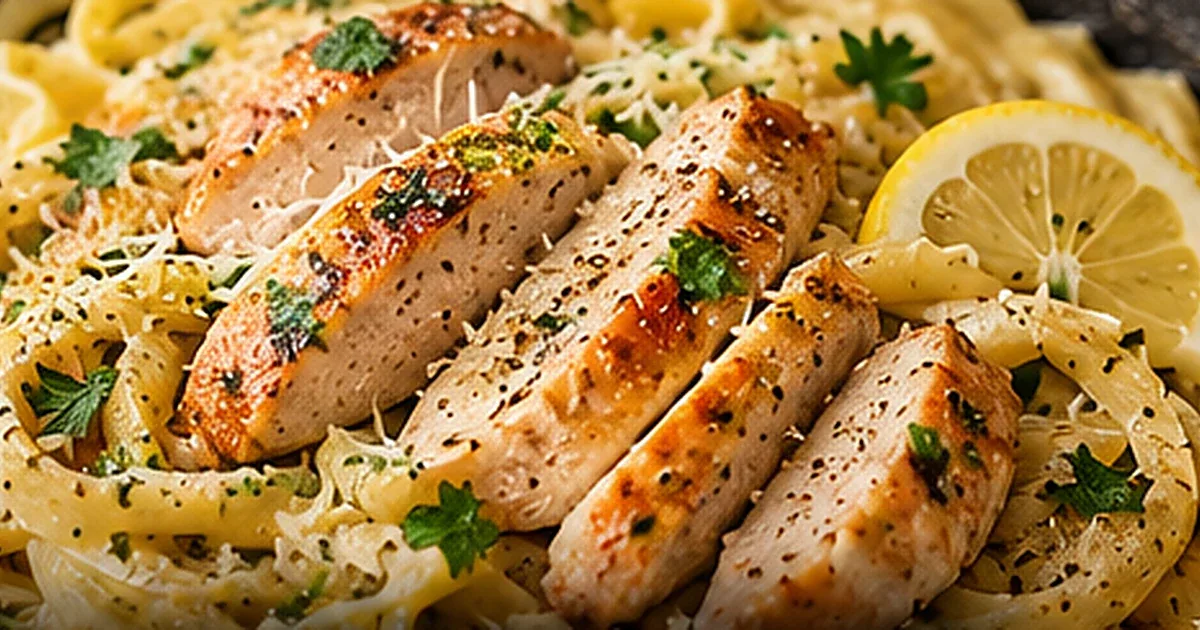
Garlic Lemon Chicken Pasta with Parsley
Ingredients
Equipment
Method
- Cook pasta in salted boiling water until just shy of al dente. Reserve a cup of starchy cooking water before draining.
- While pasta cooks, pat chicken pieces dry and season with salt and black pepper.
- Heat 1 tablespoon olive oil in a large skillet over medium-high heat. Cook chicken in an even layer 5–7 minutes, stirring occasionally, until browned and the thickest pieces reach 165°F (74°C). Transfer to a clean plate.
- Lower heat to medium, add remaining olive oil and garlic, and stir 30 seconds until fragrant. Do not let garlic burn.
- Pour in broth and scrape the skillet bottom. Simmer 2 minutes, then stir in lemon zest, lemon juice, and butter.
- Add drained pasta and cooked chicken. Toss with small splashes of reserved pasta water until glossy and evenly coated. Warm through briefly; avoid prolonged boiling once lemon is added.
- Turn off heat and fold in parsley. Taste and adjust lemon and seasoning, then serve with optional Parmesan.
Notes
Frequently Asked Questions
Can I use chicken thighs?
Yes. Boneless chicken thighs have a richer taste and may cook differently from breast pieces. Use a food thermometer and make sure the meat reaches a safe temperature.
Can I make this without butter?
You can substitute a little more olive oil, but the sauce will taste different. Starchy pasta water still helps the oil and broth coat the noodles.
Is linguine better than penne?
Both work. Linguine carries the sauce along its strands, while penne catches the liquid inside the tubes. Choose the shape you like and adjust cooking time as needed.
Can I make it creamy?
You can add a little cream or ricotta, but that creates a different sauce. The original method intentionally uses a lighter lemon-and-butter coating.
Why does the sauce become dry after sitting?
Cooked pasta continues absorbing liquid. Save some pasta water to loosen the coating and serve shortly after tossing for the best texture.
A Bright Dinner Worth Repeating
Once you learn the sequence, garlic lemon chicken pasta is simple to repeat: boil the noodles, brown chicken to a safe temperature, make a brief garlic-lemon sauce, and toss with pasta water until glossy. The flavor comes from balance, not a long ingredient list. Our pasta pillar guide offers other dinners for days when you prefer tomato, pesto, or baked pasta.