
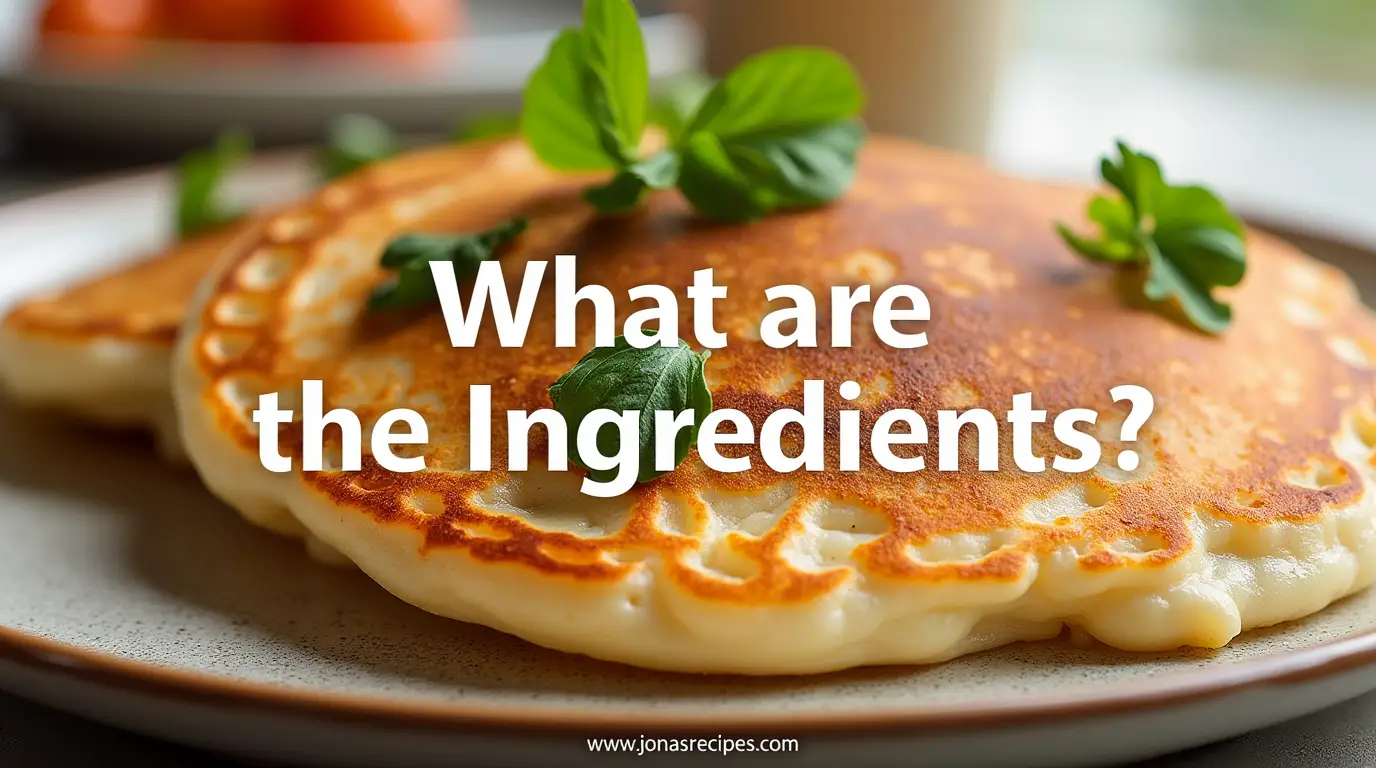
Understanding pancake ingredients makes breakfast easier to repeat and easier to fix when something goes wrong. A basic pancake can be fluffy with a short shopping list, but each ingredient affects how the batter spreads, rises, browns, and feels when you bite into it. The difference between a light stack and a dense one is often measurement or mixing rather than a secret ingredient.
This is an ingredient guide, not a second recipe competing with our main pancake instructions. You will learn which staples matter, how baking powder differs from baking soda, why flour measurement changes the result, and when substitutions need a different formula. If you already have everything on hand and want exact quantities, go straight to the classic fluffy pancakes recipe.
Table of Contents
The Five Ingredients That Build a Basic Pancake
A dependable pancake batter begins with flour, a liquid, eggs, a leavening agent, and a little fat. Each has a job. Flour forms the structure; milk or another liquid hydrates the flour; eggs help the cooked pancake hold together; baking powder creates lift; and melted butter or a neutral oil keeps the crumb tender. Salt and a small amount of sugar improve flavor, even though neither is essential to the basic structure.
The important point is balance rather than a long ingredient list. Adding more baking powder does not automatically make a taller pancake, and adding more flour to a batter that looks loose can make the finished pancakes tough. For exact quantities and a full cooking method, follow the site’s fluffy pancake recipe. This guide explains why those ingredients work so you can troubleshoot and make thoughtful substitutions.
Choosing Flour for Pancakes
All-purpose flour is a practical starting point because it gives a pancake enough structure without demanding special handling. Spoon it into the measuring cup and level the top, or weigh it when a recipe provides gram measurements. Scooping directly from a packed bag can add more flour than intended and produce a thick batter that barely spreads.
Whole-wheat flour absorbs liquid differently and adds a heartier flavor. Replacing part of the all-purpose flour is often easier than switching the entire quantity on the first try. Oat flour and gluten-free blends behave differently again; use a recipe developed for them rather than assuming an exact cup-for-cup replacement will produce the same result. Let a whole-grain batter rest briefly if it seems unusually thick before adding extra liquid.
Milk, Buttermilk, and Other Liquids
Milk supplies moisture and helps dissolve the dry ingredients. Ordinary dairy milk works well in a basic batter, but unsweetened plant-based milk can also be useful when a recipe has been tested with it. Choose an unflavored variety so the pancake does not unexpectedly taste of vanilla or added sweetener.
Buttermilk is slightly acidic, which changes flavor and interacts with baking soda when a recipe includes it. Baking powder and baking soda are not interchangeable in every formula: baking soda needs sufficient acidity, while baking powder contains its own acid component. If a recipe calls for buttermilk and baking soda, replacing both with plain milk and more baking powder requires a deliberate reformulation. For predictable results, keep the liquid and leavener combination together.
What Eggs Contribute to the Batter
Eggs contribute structure and help the batter set as it cooks. They also support a tender texture when mixed with the right amount of liquid and fat. Large eggs are the usual reference in American recipe measurements. Using an unusually small or large egg can change the batter’s consistency, particularly in a small batch.
Beat the eggs with the milk and melted butter before combining wet and dry ingredients. That makes it easier to distribute the egg without repeatedly stirring the flour. If you need an egg-free pancake, start with an intentionally egg-free recipe rather than removing the egg from a standard formula and expecting the same rise, browning, and texture.
Baking Powder Versus Baking Soda
Baking powder is the common lift source in everyday pancakes. It releases gas as the batter hydrates and heats, creating bubbles that help the pancakes rise. Baking soda is different: it reacts with acidic ingredients such as buttermilk or yogurt. Some recipes use both to manage rise, flavor, and browning.
Check that your baking powder is within its recommended storage life and has been kept dry. Too little leavener can make pancakes compact; too much may leave an unpleasant taste or cause an initial rise followed by collapse. Measure with a level spoon, not a heaping one. Once the wet and dry ingredients are combined, cook the batter without an unnecessarily long delay, especially when the recipe relies on a quick acid-and-soda reaction.
Butter, Oil, Salt, and Sweetness
Melted butter contributes flavor and a soft mouthfeel. Neutral oil is another option, especially when you want a simple batter that does not depend on butter’s taste. If using melted butter, let it cool slightly before adding it to the eggs so it does not form hot streaks or cook them.
A pinch of salt keeps the flavor from seeming flat. Sugar is optional in many pancake recipes, but a modest amount can help the surface brown and round out the flavor. Remember that syrup, fruit, and sweet spreads may add plenty of sweetness at serving time. For flavoring, try cinnamon, citrus zest, or a little ground vanilla powder. Avoid piling several strongly flavored additions into the first batch, because it becomes harder to judge the basic batter.
How to Mix Without Making Tough Pancakes
Whisk the dry ingredients together first so the baking powder and salt are distributed. In a second bowl, combine the eggs, milk, and cooled melted butter. Pour wet into dry, then fold with a spatula until the visible dry flour disappears. Small lumps are normal; a perfectly smooth batter is not the goal.
Once flour is wet, vigorous mixing encourages gluten development. That can make pancakes rubbery or chewy. A short rest of five to ten minutes can help the flour hydrate, but do not leave a leavened batter on the counter for hours. If it thickens during the rest, assess how it falls from the spoon before adjusting with a small splash of milk. The finished batter should pour but not run like water.
How Batter Thickness Changes the Result
A thick batter spreads slowly and tends to make smaller, taller pancakes. A thinner batter spreads farther and cooks into a flatter round. Neither is inherently wrong, but the batter must match the cooking method. When a recipe gives a measured liquid quantity, begin there instead of correcting the consistency before the flour has fully hydrated.
If pancakes are heavy and dry, check whether you packed too much flour into the cup. If they are thin and fragile, verify the liquid and egg quantities before adding extra flour. Adjust one variable at a time and note what changed. For a breakfast that avoids flipping entirely, the main pancake guide explains griddle cooking, while the site’s sheet-pan variation uses a different pan and baking approach.
Optional Add-Ins and Smart Substitutions
Blueberries, chopped strawberries, cinnamon, and a few chocolate chips are easy additions. Add moist fruit sparingly so pockets of juice do not leave undercooked patches. For an even fruit distribution, sprinkle berries onto individual pancakes after pouring the batter rather than stirring a large amount into the bowl.
Mashed banana, yogurt, and pumpkin puree change the water content and structure more than a sprinkle of berries. Use a recipe designed around those ingredients when possible. If you are experimenting with alternative flours, record the liquid quantity and cooking time so the next batch is easier to improve. For a different style altogether, Moroccan baghrir pancakes develop their signature tiny holes from a different batter and technique.
Cooking Cues That Matter More Than the Clock
Preheat the skillet over medium heat and add a thin film of fat if needed. A properly heated surface allows the pancake to set without burning before the middle cooks. Pour a modest portion of batter, then watch for bubbles appearing across the top and edges beginning to look less wet. Slide a spatula under the pancake and flip when the underside is evenly golden.
The second side usually needs less time than the first. Avoid pressing the pancake flat with the spatula, because that squeezes out the air you worked to create. If the outside darkens while the center stays raw, lower the heat. If the pancake remains pale and greasy, allow the pan to warm more fully. These visual cues are more reliable than a single minute count for every stove.
Storage and Make-Ahead Choices
For a convenient breakfast, cook pancakes first, cool them promptly, and refrigerate or freeze them in portions. Place parchment between layers before freezing so individual pancakes separate easily. Reheat until hot throughout, adding fruit or yogurt afterward so toppings stay fresh.
Raw pancake batter is less convenient for long storage because the leavening may lose effectiveness and the mixture contains perishable ingredients. If you want to save morning preparation time, measure the dry ingredients in advance and keep them in a sealed container. Add milk, eggs, and butter shortly before cooking. You can also consult the frozen pancakes guide for storage and reheating options.
Frequently Asked Questions
What are the essential ingredients for pancakes?
Flour, liquid, eggs, and a suitable leavening agent form the core of most fluffy pancake batters. Butter or oil improves tenderness, while salt and a little sugar add flavor.
Can I make pancakes without baking powder?
Some recipes use another leavening method, but simply omitting baking powder from a standard fluffy pancake formula usually gives a flatter result. Use a recipe designed for the alternative method.
Why is my pancake batter too thick?
The flour may have been packed into the measuring cup, or the batter may have rested and absorbed more liquid. Compare your measurements with the recipe before adding a little extra milk.
Is baking soda the same as baking powder?
No. Baking soda needs an acidic ingredient to react effectively, while baking powder includes components that create lift when hydrated and heated. Follow the leavener specified in the recipe.
Should pancake batter be completely smooth?
No. A few small lumps are fine. Overmixing after the flour is hydrated can make the pancakes tough, so fold only until no dry pockets remain.
Build a Better Pancake from the Basics
Start with a balanced recipe, measure the flour carefully, and keep the mixing gentle. When a batch is not quite right, change one variable instead of changing everything at once. That approach teaches you more than adding extra leavener or sugar and hoping for the best. Use the ingredient principles here alongside the site’s full pancake method, then explore variations once the basic batter behaves consistently.
2 thoughts on “Pancake Ingredients: What You Need for Fluffy Pancakes”