
There’s nothing quite like a stack of freshly made pancakes on a lazy Sunday morning. But let’s face it, making the perfect pancakes recipe can be a challenge. I’ve been there too, with my fair share of soggy, dense, or burnt pancakes. But after years of experimentation, I’ve finally cracked the code to making the fluffiest, most tender pancakes ever.
One of the most common mistakes people make when making pancakes is overmixing the batter. This can result in a dense, tough pancake that’s more like a hockey puck than a fluffy breakfast treat. To avoid this, make sure to only mix your wet and dry ingredients separately and gently fold them together until just combined. For a tried-and-true pancakes recipe, check out this pancakes recipe from Cafe Delites.
But what really sets great pancakes apart from good ones is the little details – the type of flour used, the ratio of sugar to liquid, and the cooking technique. In this article, we’ll dive into the nitty-gritty of making the perfect pancakes, from the best type of flour to use to how to get that perfect golden-brown color.
Table of Contents
The Science of Pancakes: Understanding the Ingredients
Why Type of Flour Matters
When it comes to making pancakes, the type of flour used can make all the difference. All-purpose flour is a great all-around choice, but if you want to get really specific, you can use cake flour for a more tender pancake or bread flour for a more dense, chewy pancake. I like to use a combination of all-purpose and cake flour for the perfect balance of texture and flavor.
The Importance of Leavening Agents
Leavening agents like baking powder and baking soda are essential for creating a light, fluffy pancake. But what’s the difference between the two? Baking powder is a mixture of baking soda and an acid (usually cream of tartar) that’s designed to release gas more slowly over time. This makes it perfect for recipes that don’t contain an acidic ingredient, like buttermilk or yogurt. Baking soda, on the other hand, is a more straightforward leavening agent that works best in recipes that contain an acidic ingredient.
Don’t Forget the Sugar!
Sugar may seem like a minor ingredient in pancake recipes, but it plays a crucial role in browning and flavor. Use a high-quality granulated sugar for the best results, and don’t be afraid to experiment with different types of sugar, like brown sugar or honey, for added flavor.
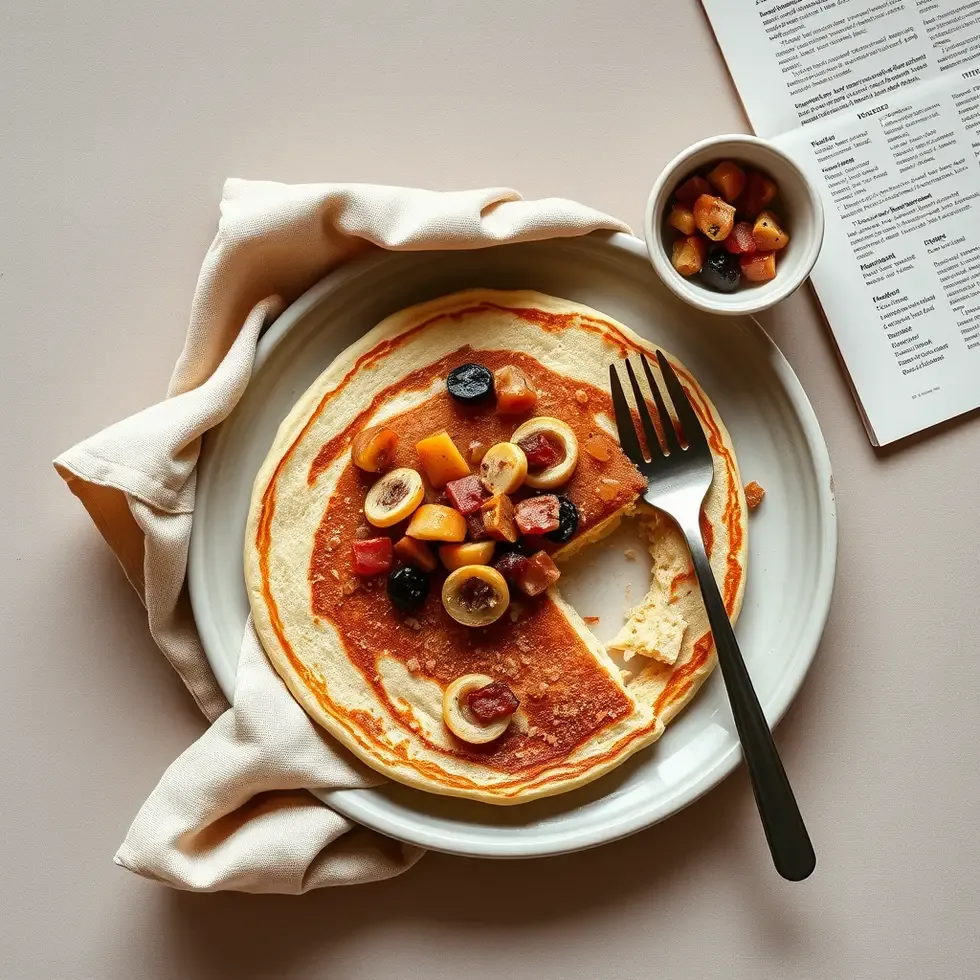
Pancakes Variations: Tips for Customizing Your Recipe
Get Creative with Mix-Ins
One of the best things about pancakes is how versatile they are. Want to add some extra flavor and texture? Try mixing in some chopped nuts, dried fruit, or even candy pieces. For a more savory pancake, try adding some grated cheese, diced ham, or chopped herbs. The possibilities are endless!
Try Different Types of Milk
Buttermilk is a classic choice for pancakes, but you can also experiment with different types of milk, like almond milk, soy milk, or coconut milk. Each type of milk will give your pancakes a unique flavor and texture, so don’t be afraid to experiment.
Experiment with Spices
Spices can add a whole new level of flavor to your pancakes. Try adding a pinch of cinnamon, nutmeg, or cardamom to your batter for a unique twist. You can also experiment with different types of extracts, like vanilla or almond, for added flavor.
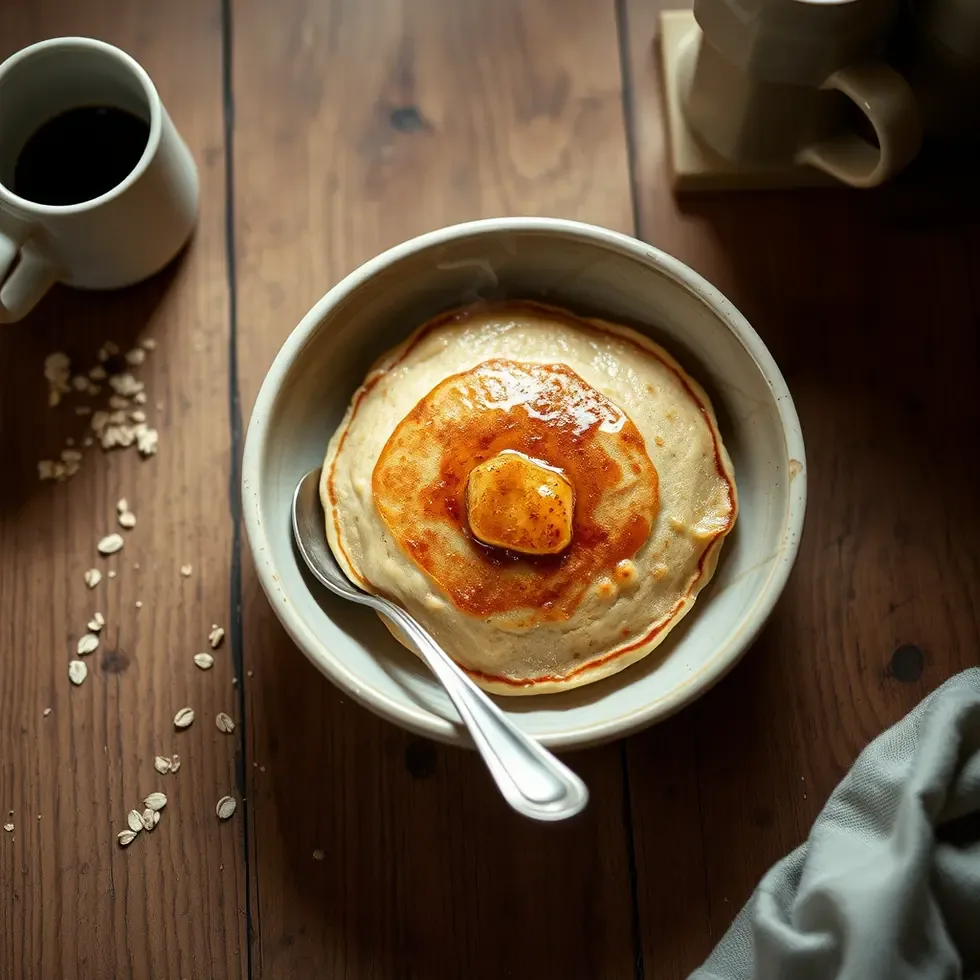
The Perfect Cook: How to Achieve a Golden-Brown Pancake
Get the Right Pan
A good pancake pan is essential for achieving that perfect golden-brown color. I like to use a cast-iron skillet or a non-stick pan with a heavy bottom. This will help distribute heat evenly and prevent your pancakes from burning.
Don’t Overcrowd the Pan
One of the most common mistakes people make when cooking pancakes is overcrowding the pan. This can result in a messy, uneven cook. Instead, cook your pancakes in batches, using about 1/4 cup of batter per pancake.
Don’t Flip Too Soon
Flipping your pancakes too soon can result in a dense, soggy pancake. Instead, wait until bubbles appear on the surface and the edges start to dry. This will ensure that your pancake is cooked evenly and is ready to flip.
- Pour 1/4 cup of batter onto the pan and spread it out slightly to form a round shape.
- Cook for 2-3 minutes, until bubbles appear on the surface and the edges start to dry.
- Flip the pancake and cook for another 1-2 minutes, until golden brown.
Conclusion
So there you have it – the ultimate guide to making the perfect pancakes. Whether you’re a beginner or a seasoned pro, these tips and tricks will help you create a fluffy, golden-brown breakfast treat that’s sure to impress. So go ahead, give it a try, and don’t forget to share your results with me in the comments below! For a classic pancakes recipe, check out this recipe from Allrecipes.
And if you’re looking for more pancake inspiration, check out this thread on Reddit for some amazing tips and tricks from fellow cooks. Happy cooking!
Frequently Asked Questions
Why are my pancakes so dense?
Dense pancakes can be caused by overmixing the batter or using too much flour. Try reducing the amount of flour in your recipe and mixing the wet and dry ingredients separately to avoid overmixing.
How do I get my pancakes to be fluffy?
Fluffy pancakes are all about using the right type of flour and not overmixing the batter. Try using cake flour or a combination of all-purpose and cake flour for the best results.
Can I make pancakes ahead of time?
Yes, you can make pancakes ahead of time and store them in the fridge or freezer for later use. Simply cook the pancakes as usual, then let them cool completely before storing them in an airtight container.
Why do my pancakes always burn?
Burning pancakes can be caused by using too high a heat or not adjusting the heat as needed. Try reducing the heat to medium-low and adjusting the heat as needed to prevent burning.
Can I use different types of milk in my pancake recipe?
Yes, you can experiment with different types of milk, like almond milk, soy milk, or coconut milk, to create a unique flavor and texture. Just keep in mind that different types of milk may affect the overall consistency of the batter.
Ingredients
Method
- In a large bowl, whisk together the flour, baking powder, and salt.
- In a separate bowl, whisk together the milk, egg, and melted butter.
- Add the wet ingredients to the dry ingredients and stir until combined. Do not overmix.
- Heat a non-stick pan or griddle over medium heat.
- Drop the batter by 1/4 cupfuls onto the pan.
- Cook for 2-3 minutes, until bubbles appear on the surface and the edges start to dry.
- Flip the pancakes and cook for another 1-2 minutes, until golden brown.