
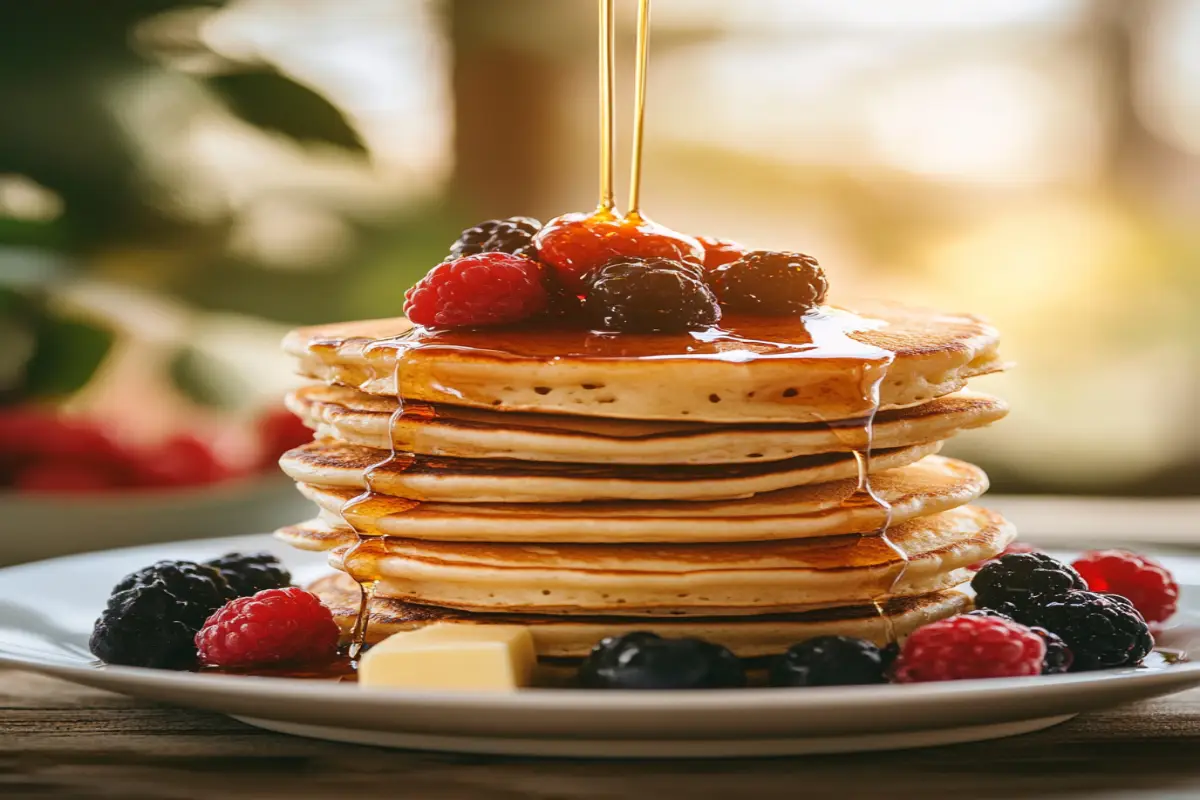
Frozen pancakes can make a busy morning easier, but the best choice is not simply the package with the biggest promise. Texture after reheating, ingredients, portion size, and preparation method all matter. This guide explains how to compare frozen pancakes, heat them without drying them out, and build a practical breakfast with everyday toppings.
Table of Contents
What Makes Frozen Pancakes Worth Buying
Good frozen pancakes should be convenient without becoming rubbery or dry after reheating. Start with the ingredient list and the preparation instructions, not the front-of-box claims. A short list is not automatically better, but it should be clear what provides the flour, liquid, leavening, sweetness, and any added protein. Compare products by the serving you will actually eat, because some labels describe two small pancakes while others describe a much larger portion.
Texture matters as much as flavor. Thicker pancakes may stay soft in the center but need longer heating. Thin pancakes can toast quickly, although they can become brittle if left too long. If you are trying a new package, prepare a small batch exactly as directed before changing the time or appliance. A pancake that tastes bland on its own may work with fruit and yogurt, while a heavily sweetened one might need little topping.
How to Compare the Main Types
Classic buttermilk-style frozen pancakes are a versatile starting point for a simple breakfast. They tend to pair well with berries, banana slices, nut butter, or a small drizzle of maple syrup. Check whether the package actually contains buttermilk if that flavor is important to you; product names and formulations vary.
Whole-grain pancakes may have a heartier texture and more noticeable grain flavor. Read the ingredient order and the fiber amount per serving rather than assuming that a brown color means whole grain. Protein-enriched pancakes can be useful when you want a different breakfast composition, but the protein source, sweetness, and serving size vary. Gluten-free versions are an option for people avoiding gluten; anyone with celiac disease should look for appropriate gluten-free labeling and follow their own dietary requirements.
Mini pancakes heat quickly and are easy to portion for younger eaters. Larger pancakes suit a plated breakfast or a sandwich-style preparation. Neither size is inherently better. Choose the format that fits your appliance, storage space, and the number of people you usually feed.
Read the Package Before You Choose
Look at the number of pancakes per serving, the calories for that serving, added sugars, sodium, fiber, and protein. These figures are useful for comparing similar products, not for declaring a single package universally healthy. Check the allergen statement for wheat, milk, eggs, soy, and other ingredients relevant to your household. Recipes change, so rely on the package you have rather than an old online ingredient list.
Also check whether the pancakes are fully cooked or require additional cooking. Many frozen pancakes are ready-to-heat, but not every frozen breakfast product is prepared in the same way. Follow the maker’s directions, particularly if the label specifies a minimum heating method or temperature. Compare price by usable servings rather than package weight alone.
Best Ways to Reheat Frozen Pancakes
The best appliance depends on how many pancakes you are heating and whether you prefer a soft or lightly crisp surface. Start from frozen unless the package specifically says to thaw. Heating times below are general starting approaches, not substitutes for the directions on a particular brand.
For a microwave, arrange one or two pancakes on a microwave-safe plate without stacking them tightly. Cover loosely with a microwave-safe lid or a slightly damp paper towel if the package permits. Heat in short intervals, checking the center before serving. The microwave is convenient, but too much time can produce tough edges and a chewy center.
A toaster or toaster oven can give the surface a little more texture. Use only if the pancake fits safely and the package permits toaster heating; do not force thick, sticky, or filled pancakes into slots. For a larger batch, arrange pancakes in a single layer on a baking sheet and warm them in an oven according to the package directions. A skillet over medium-low heat can also work, with an occasional turn to warm both sides without scorching.
How to Avoid Soggy or Dry Results
Steam is the usual reason reheated pancakes feel damp. Avoid piling hot pancakes into a closed container, and transfer them to plates soon after heating. If using an oven, leave space between pancakes so warm air can circulate. If the surface is dry before the center is hot, lower the heat and allow more time rather than turning up the temperature.
Do not repeatedly heat and cool the same batch. Reheat only the amount you expect to serve. Pancakes with fruit pieces or a sweet filling may need gentler heating because the filling can become hotter than the surrounding batter. Check before giving them to children.
A Practical Homemade Freezer Alternative
Store-bought pancakes are convenient, but homemade pancakes can be frozen in portions too. Prepare a batch using your favorite fluffy pancake recipe, then cool the pancakes promptly on a rack so steam does not collect between them. Place parchment between portions, pack in a freezer-safe container or bag, label the date, and freeze.
Freeze pancakes while they are still fresh rather than waiting until they are already drying out. A flat initial freeze helps keep them separate. Reheat from frozen until hot throughout, using a method suitable for their thickness. If you need to understand why a batter rises or turns dense, the site’s guide to pancake ingredients explains the roles of flour, eggs, milk, and leavening.
Easy Breakfast Combinations
A few thoughtful additions can make frozen pancakes more interesting without turning breakfast into a major project. Try sliced strawberries and plain yogurt, banana with a thin layer of peanut butter, or warmed berries with a little cinnamon. For a savory-leaning plate, serve pancakes alongside scrambled eggs and sliced tomatoes rather than adding a sweet sauce.
For a portable breakfast, spread nut or seed butter between two small pancakes and pack fruit separately. Keep perishable toppings chilled until serving. If your household prefers a drinkable breakfast on some mornings, a breakfast smoothie is a different option rather than another version of the same pancake meal.
If your family does not enjoy plain frozen pancakes, try changing the presentation before discarding an unopened package. Once heated according to the package directions, cut pancakes into small strips for dipping in yogurt, layer bite-size pieces with fruit in a breakfast bowl, or make a simple pancake sandwich with nut or seed butter. For a less sweet option, serve warm pancake pieces beside eggs rather than adding syrup. Offer one variation at a time so you can learn whether the problem is the flavor, texture, or portion size. Do not refreeze pancakes that have been left at room temperature for an extended period; follow the product storage instructions and refrigerate perishable toppings promptly.
Plan a Faster Morning Routine
Keep a small, clearly labeled section of the freezer for breakfast items. Note the number of pancakes each person normally eats so you can heat the right amount. Set out plates, utensils, and shelf-stable toppings the night before; leave refrigerated foods in the refrigerator until morning.
If preparing for several people, use an oven or toaster oven rather than running many separate microwave batches. Warm the pancakes shortly before eating, because holding them for a long time tends to soften crisp edges. For variety across the week, alternate pancakes with oatmeal, eggs, fruit, or other breakfasts that suit your preferences.
Storage and Food Safety
Keep frozen pancakes continuously frozen according to the package instructions, and follow the printed best-by date for quality. The freezer should normally be kept at 0°F (-18°C). A date on a package is not a substitute for checking storage conditions. Discard food if it has been mishandled or if there is evidence that it was left warm for an unsafe period.
Refrigerate perishable toppings promptly. Do not leave yogurt, cut fruit mixtures, or cooked eggs on the breakfast table for extended periods. If you make pancakes at home for freezing, cool and pack them promptly and avoid letting a large hot stack sit at room temperature. For general storage guidance, consult the FoodSafety.gov cold-storage chart.
Frequently Asked Questions
Can frozen pancakes go straight into the toaster?
Only when the package permits toaster heating and the pancakes fit safely. Filled or very thick pancakes may need a different method.
Should I thaw frozen pancakes first?
Usually not for ready-to-heat products, but follow the directions on the specific package. Thawing can make some pancakes wet.
Can I freeze homemade pancakes?
Yes. Cool them promptly, separate portions with parchment, package well, and reheat until hot throughout.
What helps frozen pancakes stay fluffy?
Gentle, even heating and avoiding excess microwave time help preserve the texture. The original pancake recipe also affects the result.
Are protein or whole-grain pancakes always better?
Not necessarily. Compare the ingredient list, serving size, fiber, protein, added sugar, and how the product fits your meal.
The Bottom Line
The best frozen pancakes for busy mornings are the ones your household enjoys, that fit your budget, and that reheat reliably in the appliance you actually use. Compare the label, test a small portion, and keep toppings simple. A dependable freezer breakfast can save time without requiring a long ingredient list or an elaborate routine.