
Flaky homemade Danish pastries are built from a yeast dough folded around cold butter. The layers take patience, but the technique is approachable when you work in stages. This recipe makes eight jam-filled pastries and explains how to mix, chill, laminate, shape, proof, and bake them without losing the butter layers.
Table of Contents
What Is Danish Pastry?
Danish pastry is a layered, yeast-raised dough made by folding butter between thin sheets of dough. As it bakes, steam from the butter helps separate the layers while yeast gives the pastry a softer interior than an ordinary puff pastry. The result is crisp and flaky on the outside with a tender, lightly sweet center.
This version makes eight fruit-filled pastries from one batch of laminated dough. The method takes several hours because the dough needs time to chill between folds and rise after shaping. Most of that time is hands-off. The key is to keep the butter cold enough to stay in distinct layers but flexible enough to roll without breaking.
The Ingredients You Need
All-purpose flour gives the dough structure, while instant yeast creates lift. Sugar adds gentle sweetness and encourages browning; salt keeps the flavor balanced. Milk, an egg, and a small amount of butter make the dough tender. The larger portion of butter is reserved for lamination and must remain separate from the dough until the folding stage.
For the filling, use thick apricot, raspberry, or strawberry jam rather than a runny syrup. A beaten egg mixed with a little milk makes a simple wash for the exposed dough. You can change the jam flavor without changing the lamination method. Avoid overfilling, which can cause the center to spill over the edges in the oven.
Why Cold Butter Matters
Lamination works when butter stays in a thin, continuous layer between folds of dough. If it melts into the dough, the layers lose definition and the pastry bakes more like a soft bun. If the butter is rock-hard, it can fracture into pieces and leave uneven patches. The ideal texture is chilled and firm but bendable.
A practical test is to press the butter block gently through parchment. It should yield slightly without becoming greasy. If the dough feels warmer than the butter, chill both briefly. If the butter cracks while rolling, allow it to rest a few minutes, then continue with light, even pressure rather than forcing the rolling pin.
Mix a Smooth Yeast Dough
Combine flour, instant yeast, sugar, and salt in a bowl. Add lukewarm milk, an egg, and the smaller portion of softened butter. Mix until a rough dough forms, then knead until it becomes smooth and elastic. The dough should hold together without being dry. A few tacky spots are normal and are better than a stiff dough overloaded with flour.
Cover the dough and refrigerate it for about 45 minutes. This first chill relaxes the gluten and makes the dough easier to roll around the butter. Do not skip the chilling step simply to finish sooner. A dough that springs back forcefully can tear the butter layer during lamination.
Prepare the Butter Block
Put the lamination butter between two sheets of parchment and use a rolling pin to flatten it into a square about six inches across. Aim for an even thickness with straight sides. Square corners make it easier to enclose the butter without leaving large gaps in the dough.
If the butter warms and begins to look shiny, return it to the refrigerator. If it becomes too hard, let it stand briefly at room temperature. The butter and dough should feel similarly flexible before they are combined. This small adjustment helps prevent both leaks and broken layers.
Enclose the Butter Without Trapping Air
Roll the chilled dough into a rectangle about eight by sixteen inches on a lightly floured work surface. Set the butter square in the middle and fold the short ends of dough over it. Pinch the seams closed so the butter is fully covered. Brush away excess flour before sealing because loose flour can prevent the dough from adhering.
Roll gently from the center toward the edges. If you see butter pushing through a thin patch, dust it lightly and chill before continuing. Do not repeatedly roll the same warm spot. Even pressure creates a more uniform layer and reduces the chance of a greasy, uneven pastry.
Make Three Letter Folds
Roll the enclosed dough into a long rectangle about eight by twenty inches. Fold the bottom third upward and the top third downward, as if folding a letter. This is one turn. Wrap and refrigerate for about thirty minutes so the dough relaxes and the butter firms up again.
Rotate the dough a quarter turn, roll it out, and repeat the letter fold. Chill again, then perform a third fold. The repeated folding builds multiple thin layers without requiring dozens of separate steps. Keep track of the number of turns so you do not accidentally add extra folds or skip one. After the final turn, chill the dough again before shaping.
Shape Eight Fruit-Filled Pastries
Roll the chilled dough to a rectangle about twelve by sixteen inches. Cut it into eight pieces, each roughly four by six inches. For a simple open-center shape, fold or twist the corners inward to create a shallow well in the middle. Press lightly where the folds meet so the center can hold the jam.
Arrange the shaped pastries on parchment-lined baking sheets with room between them. Spoon about one tablespoon of thick jam into each center. Too much filling may bubble out and burn on the baking sheet. If the dough softens while you work, move the tray into the refrigerator for a short chill before the final rise.
Proof the Shaped Pastries
Cover the trays loosely and allow the pastries to rise until they look visibly puffy. Depending on the temperature of the room, this may take 45 to 60 minutes or longer. The goal is a light, airy dough, not a hot environment. A warm oven can melt the butter before baking and undo the work of lamination.
The pastries may not double dramatically, but they should look fuller and feel lighter when the tray is moved gently. If the kitchen is very warm, proof in a cooler spot and allow extra time. Keep the surface covered loosely so it does not dry into a skin.
Bake Until Deep Golden
Preheat the oven to 400°F (200°C). Whisk the egg with a tablespoon of milk and brush it over the exposed dough, avoiding the cut edges where a heavy wash could glue layers together. Bake for about 18 to 22 minutes, checking near the end for a deep golden color and well-developed flaky edges.
If the pastries brown unevenly, rotate the tray once during the latter part of baking. Jam becomes extremely hot in the oven, so let the pastries cool on a rack for at least ten minutes before serving. The crispest texture is usually on the day they are baked, when the layers are still fresh.
Common Problems and How to Fix Them
If the pastries are dense, the dough may not have risen enough or the butter may have melted into it. If butter leaks onto the tray, the dough was probably too warm during shaping or the butter block was not fully enclosed. A small amount of leakage is normal, but large pools suggest the next batch needs more chilling.
If the pastry has uneven layers, check that the butter block was a consistent thickness and that each fold was rolled with steady pressure. If the jam spreads beyond the center, use a thicker filling or a smaller amount. Keep the shape simple while learning the method; neat folds and controlled temperature matter more than elaborate decoration.
Make-Ahead and Storage Tips
You can make the laminated dough ahead and refrigerate it, well wrapped, overnight after the final fold. Allow it to become just pliable enough to roll before shaping. The shaped pastries can also be chilled briefly before proofing, but they still need time to become puffy before baking. Follow the dough rather than relying on a fixed schedule.
Store fully cooled pastries in an airtight container. For a crisp finish, rewarm unglazed pastries briefly in a moderate oven rather than microwaving them until soft. Freezing is possible after baking, but the texture will not be identical to fresh pastry. For simpler baked breakfast ideas, try our homemade muffins or apple cinnamon oatmeal cups.
How Danish Pastry Differs From Croissants
Both pastries rely on laminated dough, but Danish pastry is often sweeter and more enriched with ingredients such as eggs and milk. Danish pastries are commonly shaped around fruit, custard, or other fillings, while croissants are usually rolled into a crescent or straight form. The folding principle is similar, but the dough formulas and final shapes differ.
If you are new to laminated dough, this fruit-jam version offers a manageable starting point. Keep the butter cold, take the scheduled rests, and use a simple shape. Once the method feels familiar, experiment with different fillings while keeping the same basic dough and folding schedule.
Frequently Asked Questions
Can I make Danish pastry without a stand mixer?
Yes. Mix and knead the dough by hand until smooth and elastic. The folding stages use a rolling pin, parchment, and refrigeration rather than special machinery.
Why is my Danish pastry not flaky?
The butter may have melted into the dough, the layers may have torn, or the dough may have been rolled too aggressively. Chill between folds and use cold but flexible butter.
Can I use puff pastry instead?
Ready-made puff pastry can make a quick fruit pastry, but it does not produce the same yeast-raised Danish texture. Treat it as a different shortcut recipe and follow its package baking instructions.
Which jam is best for Danish pastries?
Use a thick, flavorful jam that holds its shape on a spoon. Apricot, raspberry, and strawberry all work. Avoid watery fillings and limit each pastry to roughly one tablespoon.
Can I prepare Danish dough the day before?
Yes. Wrap the dough well after the final fold and refrigerate overnight. Roll and shape while still cool, then allow the shaped pastries to proof before baking.
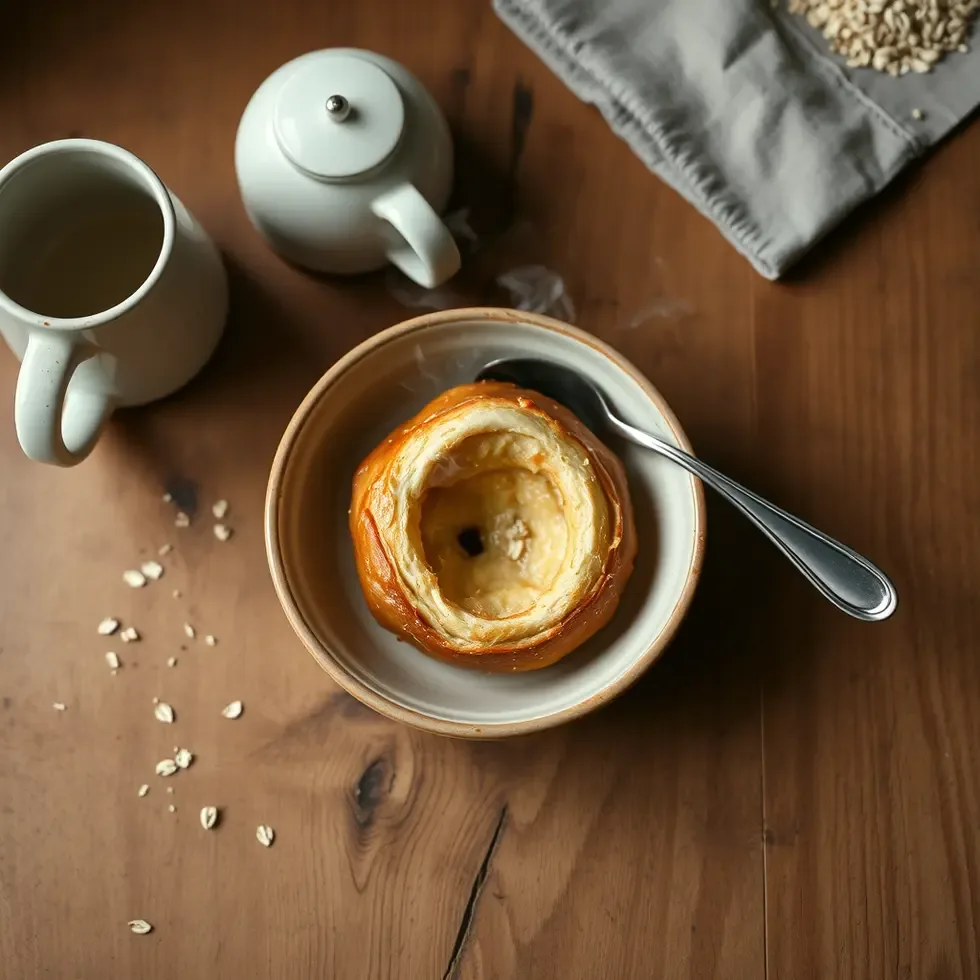
Homemade Danish Pastries with Fruit Jam
Ingredients
Method
- Combine flour, instant yeast, sugar, and salt. Mix in the lukewarm milk, egg, and softened dough butter. Knead for 6 to 8 minutes until smooth and elastic. Cover and refrigerate 45 minutes.
- Place the chilled lamination butter between two sheets of parchment and tap or roll it into a neat 6-inch square. Keep it cold but flexible; if it cracks, let it soften briefly.
- On a lightly floured surface, roll the dough into a rectangle about 8 by 16 inches. Set the butter square in the middle and fold the short ends of dough over it, pinching seams to enclose the butter.
- Roll the enclosed dough into a long rectangle about 8 by 20 inches. Fold the bottom third upward and the top third downward, like a letter. Wrap and refrigerate 30 minutes.
- Rotate the dough a quarter turn and repeat the roll-and-letter-fold process twice more, chilling for 30 minutes between folds. If butter becomes soft or breaks through, stop and chill before continuing.
- After the final fold, refrigerate at least 20 minutes. Roll the dough to about 12 by 16 inches and cut into eight rectangles approximately 6 by 4 inches.
- Fold or twist the corners of each rectangle toward the center to form a shallow well. Arrange on parchment-lined baking sheets, leaving room for expansion. Spoon about 1 tablespoon thick jam into each center.
- Cover loosely and let rise in a cool room until visibly puffy, about 45 to 60 minutes. The pastries should feel light, but keep the butter cool enough that it does not melt out.
- Heat the oven to 400°F (200°C). Whisk the egg wash ingredients and brush only the exposed dough, not the cut edges. Bake 18 to 22 minutes until deep golden and cooked through.
- Cool on a wire rack for 10 to 15 minutes before serving. The jam will be very hot immediately after baking.