
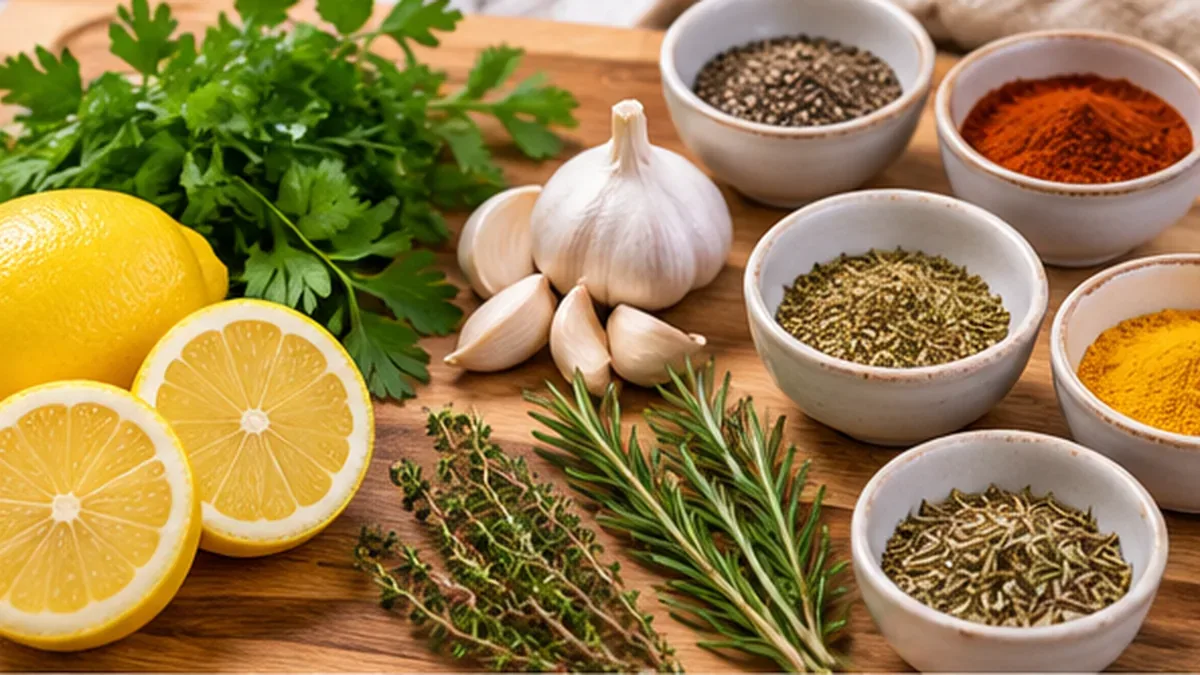
A flavorful dinner does not have to depend on heavy salting. Learning how to add flavor without salt starts with browning, acidity, aromatics and texture. These ten practical techniques help home cooks use less added salt while keeping vegetables, soups and everyday dinners appealing. This is cooking guidance, not a medical sodium-restriction plan; always check packaged ingredients and calculate sodium when a precise limit matters.
Table of Contents
Why food can taste satisfying with less added salt
Salt enhances flavor, but it is only one tool in the kitchen. Acidity makes rich foods seem brighter, browning creates roasted aromas, and fresh herbs add contrast. Texture matters too: a crisp topping can make a simply seasoned bowl feel more complete. The goal is not to disguise bland food with a single substitute. It is to build flavor in layers so that a smaller amount of salt, or none added at the table, does not leave the meal feeling unfinished. People who must restrict sodium for medical reasons should follow their clinician’s individualized guidance rather than treating a recipe title as a nutritional guarantee.
Start with an ingredient-label check
Sodium does not come only from the salt shaker. Broth, canned beans, packaged sauces, cheese, cured meats, seasoning blends and bread can contribute substantially. Compare the sodium amounts on nutrition labels for the actual serving you intend to eat. “Reduced sodium” is a comparison with a standard product, not a promise that the food is low in sodium. Likewise, “no salt added” does not mean sodium-free: some ingredients contain sodium naturally. Choose unsalted or no-salt-added products when they fit the recipe, and rinse canned beans if appropriate. Measure any salty condiment rather than pouring by eye. A flavorful homemade sauce can still be sodium-heavy if built on concentrated stock or large amounts of soy sauce.
1. Use lemon juice at the end
Lemon juice brings brightness without contributing the same sodium load as table salt. Add it gradually after cooking, especially to vegetables, chicken, lentils and seafood. Begin with a teaspoon per portion, stir, taste, and add more only if the food needs it. The zest gives fragrance without making a dish excessively sour. For a warm grain bowl, try lemon zest, parsley, olive oil and cracked pepper. In tomato sauces, acid may already be sufficient, so taste first. Citrus is not a replacement for safe cooking or proper storage, and a large quantity can overwhelm delicate flavors.
2. Brown vegetables before adding liquid
Onions, mushrooms, carrots and cauliflower develop more complex aromas when their surfaces brown. Pat wet vegetables dry, use a wide pan, and avoid crowding. Give them enough time in contact with the hot surface before stirring. If you add broth too early, the vegetables steam instead of brown. A pan of browned mushrooms and onions can create a savory base for rice, pasta or soup without relying on a salty seasoning packet. When a recipe calls for sautéing garlic, add it later: burnt garlic introduces bitterness rather than depth.
3. Toast spices briefly
Cumin, coriander, paprika and black pepper can seem flat when stirred into a finished dish straight from the jar. Warm whole spices in a dry skillet until fragrant, or bloom ground spices briefly in a small amount of oil. Keep the heat moderate and stir constantly to prevent scorching. Add the remaining ingredients promptly once the aroma develops. A pinch of smoked paprika can make roasted potatoes taste more robust; cumin and coriander work well with chickpeas. Check spice mixes carefully because many contain added salt. Pure single-ingredient spices give you more control.
4. Build herb flavor in two stages
Sturdy herbs such as rosemary and thyme can cook with potatoes, beans or chicken, while delicate parsley, dill and basil are best added near the end. This two-stage approach creates background aroma and a fresh finishing note. Dried herbs are more concentrated than fresh herbs; start with about one-third as much dried herb by volume and adjust to taste. For a quick dinner, roast carrots with thyme, then finish with chopped parsley and a squeeze of lemon. Avoid assuming that a generous garnish compensates for overcooking: fresh ingredients still need proper timing.
5. Make a salt-free garlic and herb dressing
Whisk together three tablespoons olive oil, one tablespoon fresh lemon juice, one teaspoon finely grated lemon zest, one small minced garlic clove, two tablespoons chopped parsley and a pinch of black pepper. Let it stand for five minutes and taste before serving. Spoon it over cooked vegetables, unsalted grains or grilled chicken. This is a flexible finishing dressing rather than a complete meal or a tested low-sodium recipe. Its actual sodium contribution depends on the ingredients and the food beneath it. Refrigerate leftovers promptly and use a clean spoon each time.
6. Add crunch and contrast
A crunchy element can make a dish feel more interesting even when its seasoning is restrained. Try toasted unsalted pumpkin seeds on soup, toasted breadcrumbs made from a bread with a suitable sodium level, or crisp roasted chickpeas over a salad. Texture contrasts work especially well with soft foods such as mashed sweet potatoes or cooked lentils. Toast seeds gently and watch them closely because they burn quickly. Do not assume every packaged “unsalted” snack is suitable for a sodium-restricted diet; check the full label and portion size.
7. Concentrate flavor with roasting
Roasting drives off moisture and develops sweetness in vegetables. Cut pieces evenly, coat lightly with oil and spread them in one layer. For most sturdy vegetables, a hot oven around 425°F (220°C) encourages browning, although timing varies by size and moisture. Turn once when the underside colors. Finish with fresh herbs or citrus rather than a large pinch of salt. This method is useful for cauliflower, zucchini, carrots and sweet potatoes. For meal preparation, cool promptly and refrigerate in shallow containers so the vegetables do not remain warm for hours.
8. Use aromatic bases for soups
Start a soup with chopped onion, celery and carrot softened in olive oil. Add garlic briefly, then herbs, vegetables and an unsalted or appropriately labeled lower-sodium broth. Simmer only as long as needed to cook the ingredients. Finish with a squeeze of lemon or a little vinegar when the soup is no longer boiling. This layering is especially helpful when reducing packaged bouillon. If the soup tastes flat, check its acidity and aroma before reaching for more salt. For an existing soup example, see our lemon chicken orzo soup; check its ingredient amounts and sodium sources before adapting it.
9. Use vinegar strategically
Apple cider vinegar, rice vinegar and plain wine-free distilled vinegar can add a small, sharp accent to cooked beans, salads and roasted vegetables. Add a little at a time and stir thoroughly. Vinegar is particularly effective with earthy lentils or sweet roasted carrots. It should sharpen existing flavors, not turn a main course into a pickle. Check flavored vinegars and bottled dressings for added sodium or sweeteners. For a quick chickpea salad, combine rinsed no-salt-added chickpeas, cucumber, parsley, olive oil and a modest splash of vinegar.
10. Learn from naturally briny ingredients
Some foods have naturally salty or briny flavors even without added table salt. Shellfish are a good example, and their cooking liquid can become concentrated. That is why “made with low-sodium broth” is not the same as “the entire finished dish is low in sodium.” For a practical illustration of garlic, lemon, parsley and a measured amount of lower-sodium broth, visit SABSEA’s steamed mussels with garlic and lemon. The recipe shows how aromatics and citrus support seafood flavor, but it does not provide verified sodium totals and should not be presented as a certified low-sodium meal.
A practical low-added-salt dinner formula
Choose a simply cooked protein or beans, a generous portion of vegetables and a grain or potato. Brown or roast at least one component, then add a bright finish. For example, serve roasted carrots and cauliflower alongside unsalted cooked rice and chicken seasoned with garlic, paprika, thyme and lemon. Use a measured dressing rather than a bottled sauce of unknown sodium content. If you are preparing meals for several days, refrigerate cooked components promptly in shallow containers and follow food-safety storage guidance. The method is adaptable, but the finished sodium amount requires calculation from actual ingredient labels and serving weights.
Common mistakes to avoid
Do not replace all salt with potassium-chloride salt substitutes without checking whether they are appropriate for you; some people, particularly those with kidney disease or taking certain medicines, need to avoid excess potassium. Do not use the phrase “low sodium” as a nutrition claim without calculating the full recipe and checking the applicable labeling criteria. Do not confuse unsalted broth with a sodium-free finished dish. Avoid overusing acid to compensate for blandness; improve browning and aromatics first. Finally, do not assume that a dish becomes healthy simply because one ingredient has less sodium. Portions, preparation, food allergies and the overall dietary pattern still matter.
A 20-minute weeknight example
To put these techniques together, start with a skillet of sliced mushrooms and onions. Cook them in a little olive oil over medium-high heat until their moisture evaporates and the edges turn golden. Stir in a minced garlic clove for the final 30 seconds, then add cooked no-salt-added chickpeas and a splash of water.
Warm everything through, finish with chopped parsley, lemon zest and a squeeze of juice, and serve over plain cooked rice. Taste before adding anything else. If the dish needs more depth, toast cumin separately and stir in a pinch; if it needs contrast, scatter unsalted toasted pumpkin seeds over the top. The chickpeas and rice still contribute naturally occurring sodium, and packaged ingredients vary, so calculate the full serving if you follow a medical sodium limit.
Frequently asked questions
Can lemon replace salt in every recipe?
No. Lemon brightens flavor, but it cannot reproduce salt’s exact taste or functional role in baking and preservation. Use it where acidity complements the food.
Is low-sodium broth enough to make a meal low sodium?
No. The remaining ingredients, serving size and any added seasonings determine the total sodium.
Are salt-free seasoning blends always sodium-free?
Check the ingredient list and nutrition label. Product formulations vary, and the finished meal may contain sodium from other sources.
Can I use potassium-based salt substitutes?
Ask a healthcare professional first if you have kidney disease or take medicines that affect potassium balance.
What is the fastest way to improve a bland dinner?
Try a small squeeze of lemon, freshly chopped herbs or a toasted spice, tasting between additions. If the food is watery, improving texture may help more than adding seasonings.