
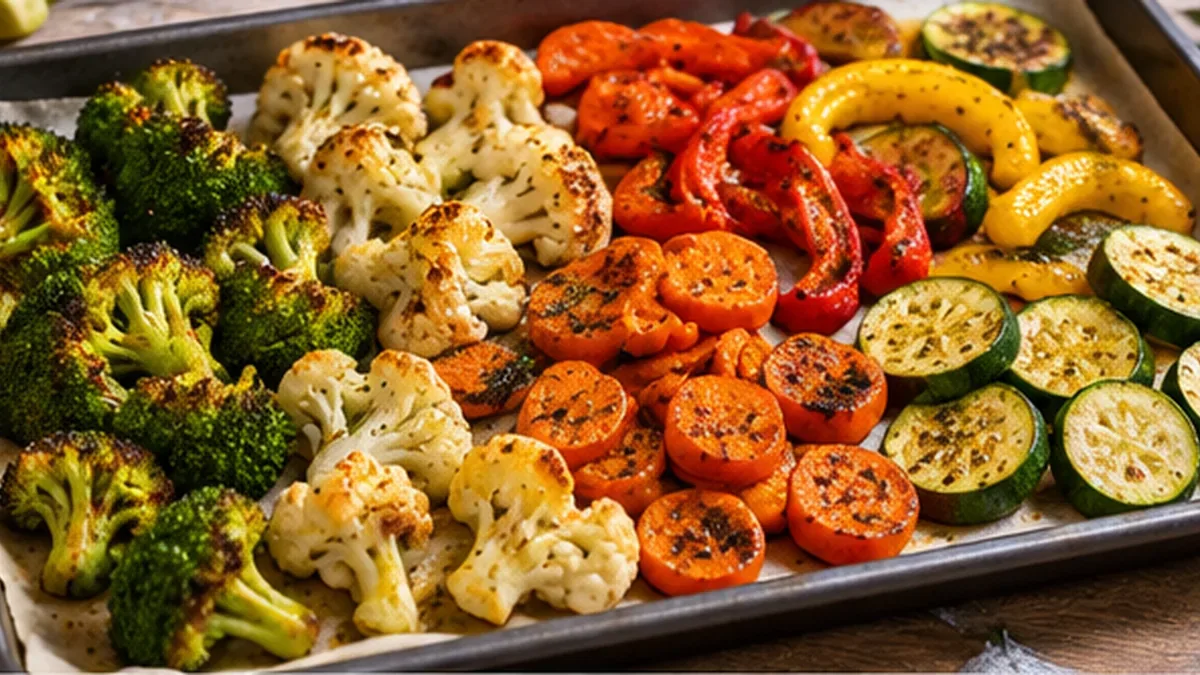
If you have ever opened a container of last night’s roasted vegetables and found a soft, damp pile instead of caramelized edges, you are not alone. The good news is that better meal-prep vegetables do not need a complicated recipe. They need sensible cuts, a hot oven, enough room on the pan, prompt chilling, and a reheating method suited to the ingredients. This guide shows what to roast, how to pack it, and how to turn one batch into several distinct lunches.
Table of Contents
Why Roasted Vegetables Turn Soggy After Refrigeration
Roasted vegetables often taste excellent when they leave the oven but disappointing the next day. The usual culprit is moisture. Vegetables release water as their cell structure softens, and steam condenses inside a closed storage container. A crowded pan can create the problem before the food ever reaches the refrigerator. Instead of browning, the vegetables simmer in their own juices. The solution begins with choosing vegetables carefully and giving them enough room to roast.
Meal prep does not require vegetables to stay as crisp as fresh fries. The realistic goal is tender pieces with caramelized edges that can be revived in a hot oven or skillet. Knowing which vegetables hold their shape allows you to build lunches that reheat predictably. Keep delicate toppings, fresh greens, and dressings separate rather than expecting every ingredient to survive the same heating process.
Choose Vegetables That Hold Up to Reheating
Broccoli florets, cauliflower, carrots, bell peppers, Brussels sprouts, zucchini, red onions, and sweet potatoes can all work, but they behave differently. Carrots and sweet potatoes are sturdy and generally hold their shape after a few days in the refrigerator. Broccoli and cauliflower can develop browned tips when cut into similarly sized florets. Zucchini contains substantially more moisture, so use larger pieces and plan to eat it earlier in the week.
Mix vegetables with comparable cooking times on a single tray. Keep dense root vegetables separate from tender zucchini or mushrooms if you want both properly cooked. For a flexible lunch base, prepare one tray of sturdy vegetables and a second tray of quicker-cooking vegetables. This costs little additional attention and makes it easier to assemble varied bowls, wraps, and side dishes without sacrificing texture.
Cut Pieces to Match Their Cooking Time
Uniform cutting matters more than making every vegetable the same size. Cut carrots into thin diagonal slices or short batons, sweet potatoes into small cubes, and broccoli into moderate florets with the stems trimmed evenly. A thick carrot chunk will need longer than a slender pepper strip, even when the oven temperature is the same. Matching thickness helps the food finish together rather than leaving some pieces mushy and others undercooked.
Pat washed vegetables dry before seasoning. Water clinging to the surface must evaporate before browning can begin. A clean kitchen towel or salad spinner is useful for broccoli and cauliflower. Avoid chopping everything into tiny fragments; very small pieces can shrivel while larger pieces remain tender. Keep the pieces substantial enough to toss and reheat without breaking apart.
Use Enough Oil but Avoid a Wet Coating
A small, even coating of olive oil or another neutral cooking oil helps heat reach the vegetable surface and encourages browning. Start with approximately one to two tablespoons for a large sheet pan of vegetables, then adjust for the amount and type of produce. You want a light sheen, not puddles underneath the food. Salt and pepper can go on before roasting, while delicate herbs and citrus juice are often better added after cooking.
Thick sweet glazes, watery sauces, and large amounts of lemon juice can burn or steam vegetables when applied too early. If you want a lemon-herb finish, roast the vegetables first and add the dressing after reheating. For a more savory profile, toss with garlic powder, smoked paprika, ground cumin, or dried oregano. Keep the seasoning flexible so the same batch fits several different lunches.
Preheat the Oven and Give the Pan Space
Heat the oven to 425°F (220°C), allowing it to reach temperature before adding the vegetables. Spread the pieces on a sturdy rimmed sheet pan in one layer, with space between them. If the pan is crowded, divide the vegetables between two trays rather than piling them in a mound. A hot oven cannot brown a surface that is constantly surrounded by steam.
Line the pan with parchment if easier cleanup helps you cook more often, but remember that the strongest browning can come from direct contact with a hot metal pan. Turn the pieces once halfway through cooking if the undersides are coloring faster than the tops. Use the oven’s appearance and texture as your guide: the edges should be lightly browned and the centers fork-tender, not collapsed.
Roasting Times for Common Meal-Prep Vegetables
Cooking times are approximate because cut size, moisture, pan material, and individual ovens vary. Broccoli florets often take about 18 to 25 minutes, cauliflower about 22 to 30 minutes, carrots about 25 to 35 minutes, and small sweet-potato cubes about 25 to 35 minutes at 425°F (220°C). Bell peppers and red onion wedges can be ready in 18 to 25 minutes. Zucchini may need only 15 to 20 minutes when cut into thick half-moons.
Begin checking a few minutes before the lower end of each range. Carrots and sweet potatoes should yield to a fork but still retain their shape. Broccoli should have some deep golden edges without tasting scorched. For very mixed trays, add the quickest-cooking vegetables later instead of leaving them in the oven until the roots finish. Do not assume that a fixed number of minutes applies to every oven.
Two-tray batch plan: For four flexible lunch portions, use about 1 lb (450 g) of diced sweet potatoes and carrots on the first tray and about 1 lb (450 g) of broccoli florets, bell peppers, and red onion on the second. Dry the vegetables thoroughly, toss each tray separately with roughly 1 tablespoon olive oil and your preferred dry seasonings, and spread everything in a single layer.
Roast at 425°F (220°C), checking the quicker-cooking tray after 18 minutes and the root-vegetable tray after 25 minutes. Continue only until the pieces are fork-tender with browned edges; actual times depend on cut size and oven performance. Divide the cooked vegetables into four shallow containers, refrigerate promptly, and add sauces or crunchy toppings when serving. This is a practical batch-prep example rather than a fixed recipe: adjust the vegetables and quantities to your appetite and available pans.
Cool and Refrigerate Vegetables Safely
Once the vegetables are cooked, spread them out briefly so excess steam escapes, then transfer them to shallow containers. Do not leave cooked food sitting at room temperature for hours. FoodSafety.gov recommends refrigerating perishable leftovers within two hours, or within one hour if the environment is above 90°F (32°C). Refrigeration at 40°F (4°C) or below slows microbial growth; it does not make previously mishandled food safe.
Use containers sized for the portions you will actually eat. Large deep tubs trap heat longer and force you to reopen the same batch repeatedly. Store grains, crunchy toppings, dressings, and leafy greens separately when their textures matter. Label the date so you can use older meals first. Proper cooling is important both for food safety and for preventing condensation that makes leftovers wet.
How Long Do Roasted Vegetables Last in the Refrigerator?
For most cooked vegetable leftovers, plan to use refrigerated portions within three to four days when they have been handled and chilled correctly. The exact storage life of a mixed meal depends on its most perishable ingredient. If the vegetables are mixed with cooked chicken or rice, use the appropriate storage and reheating guidance for the complete meal rather than treating vegetables as the only concern.
If you will not eat a portion within the refrigerator window, freeze it promptly. Sturdy roasted carrots, cauliflower, and sweet potatoes generally freeze more successfully than very watery vegetables, although their texture softens after thawing. The freezer is best for extending convenience, not preserving the exact crunch of vegetables that just came out of the oven.
Reheat Roasted Vegetables Without Making Them Mushy
For the best chance of reviving browned edges, spread refrigerated vegetables on a baking tray and reheat in a 400°F (205°C) oven until hot, typically 8 to 12 minutes depending on the size and starting temperature. An air fryer can also work well in small batches at around 375°F (190°C); shake the basket and check frequently. Avoid crowding the basket, or the vegetables will steam instead of crisp.
A skillet is convenient for a single serving. Heat a small amount of oil over medium-high heat, add a single layer of vegetables, and leave them undisturbed briefly before turning. The microwave is fast but will not reliably recreate crisp edges. If you use it, choose a microwave-safe plate, spread the vegetables out, and heat in short intervals. For refrigerated leftovers, use a food thermometer to confirm reheating reaches 165°F (74°C) throughout, especially when the vegetables are combined with cooked meat, rice, or other prepared foods. A browned surface alone does not establish that the center is hot enough. Reheat only the portion you plan to eat, and avoid repeatedly warming and cooling the same batch.
Build Three Different Lunches from One Batch
For a grain bowl, combine reheated roasted carrots, broccoli, and peppers with quinoa or brown rice, then finish with a lemony yogurt sauce just before serving. A spoonful of toasted seeds adds crunch. For a wrap, fill flatbread with roasted cauliflower, chickpeas, shredded lettuce, and a thick tahini dressing. Keep the dressing separate until lunch to avoid soaking the bread.
For a quick pasta lunch, warm roasted vegetables with a little olive oil and cooked pasta, then add chopped parsley and a squeeze of lemon. If you need more protein, add beans or a separately prepared protein that has been stored safely. Our tuna and white bean salad offers another lunch idea that works well alongside vegetables. The point is to prep versatile components rather than five identical lunches.
Flavor Combinations That Work Across the Week
A Mediterranean-style tray pairs zucchini, peppers, onion, oregano, and a finishing squeeze of lemon. A smoky tray combines sweet potato, cauliflower, paprika, cumin, and black pepper. For a gentler flavor, roast carrots and broccoli with olive oil, salt, and garlic powder, then switch the finishing sauce when you serve each portion. This keeps a single batch interesting without adding complicated steps.
If you are serving vegetables with chicken or pasta, season the roasted vegetables lightly and use the main dish to provide the strongest flavor. For inspiration, our garlic lemon chicken pasta is a useful partner for a modest portion of roasted vegetables. A flexible batch is easier to reuse than vegetables heavily coated in one sauce from the beginning.
Common Mistakes and How to Fix Them
If the vegetables look pale and soft, the pan was likely crowded, wet, or not hot enough. Spread the next batch across two pans and dry the surfaces more thoroughly. If the outsides burn before the centers soften, cut dense vegetables smaller or reduce the oven temperature slightly. If the refrigerated vegetables become watery, let steam escape before packaging, use shallower containers, and keep wet sauces apart.
If a batch is already soft, do not try to roast it for a long time until it turns dry. Instead, reheat briefly in a hot skillet and serve it in a dish where softness is welcome, such as a pasta sauce, blended soup, or warm grain bowl. Meal prep succeeds when the ingredients are useful and safe, even if their second-day texture is not identical to the first.
Frequently Asked Questions
Should I roast vegetables before or after meal prep?
Roast them during your prep session, cool and refrigerate promptly, and reheat only the portions you need. Keep wet sauces and fresh toppings separate until serving.
Can I roast frozen vegetables for meal prep?
Yes. Roast many frozen vegetables directly from frozen on a hot, uncrowded tray. Expect extra moisture and check for browning rather than relying on a fixed time.
Why do my roasted vegetables turn soggy overnight?
Warm food releases steam inside sealed containers, and watery vegetables continue to soften. Cool promptly in shallow portions and keep dressings separate.
Which roasted vegetables are best for freezing?
Carrots, sweet potatoes, cauliflower, and many firm vegetables tend to hold up better than watery zucchini. All will soften somewhat after thawing.
Is reheating in the air fryer better than the microwave?
An air fryer can restore some dry edges, while the microwave is faster but often leaves softer textures. Choose based on the meal and avoid overcrowding.
The most useful meal-prep habit is to roast a generous batch of vegetables well, keep the ingredients you want crisp or fresh separate, and assemble meals as you need them. If you want a broader family dinner idea that uses the same oven, browse our skillet chicken and potatoes for a different approach to a simple weekday meal.