
Smoked beef back ribs are a satisfying barbecue project when you want deep beef flavor, a seasoned bark, and meat that pulls cleanly from the bone. These ribs differ from thick beef short ribs: back ribs have meat between the bones, and their cooking time and texture depend on how much meat the butcher leaves on the rack.
This recipe focuses specifically on beef back ribs, using coarse salt, black pepper, smoked paprika, garlic, and onion powder. Keep the smoker steady, wrap only after the bark develops, and finish with a thin layer of barbecue sauce if you enjoy a glaze. Tenderness matters more than a rigid finishing temperature.
Preparation: The Foundation of Flavor
Before the meat ever touches the grates, preparation determines the texture and bark of your ribs. A common mistake is rushing this phase, but the elite pitmaster knows that detail is everything.
On the bone side of every rack of ribs lies a tough, papery skin known as the silverskin or membrane. While some argue it holds the juices in, most professionals agree it should be removed. The membrane acts as a barrier, preventing smoke and seasoning from penetrating the meat. To remove it, use a butter knife to lift a corner of the skin at one end of the rack, then grab it with a paper towel for grip and pull it off in one steady motion.
Trimming is about aerodynamics and consistency. Remove any loose hanging bits of meat or excessive ‘hard’ fat that won’t render. You want a uniform shape so that the rack cooks evenly. For beef short ribs, you may leave a thin layer of fat on top to protect the meat during a long smoke, but ensure it is no thicker than a quarter-inch.
Navigating the Stall: The Texas Crutch
About midway through the cook, the internal temperature of the ribs will stop rising. This is ‘the stall,’ caused by evaporative cooling as moisture moves to the surface of the meat and evaporates. To bypass this and keep the ribs moist, many pitmasters use the ‘Texas Crutch’, wrapping the ribs in butcher paper or heavy-duty aluminum foil with a splash of apple juice or beef broth. Butcher paper is preferred by many as it allows some steam to escape, preserving the integrity of the bark.
The Critical Importance of Resting
The hardest part of making BBQ ribs is the wait after they come off the grill. Resting for at least 30 to 60 minutes allows the muscle fibers to relax and reabsorb the juices. If you cut into them immediately, the moisture will spill out onto the cutting board, leaving you with dry meat. Wrap the rack in foil and a towel, and place it in an insulated cooler (without ice) to keep it warm while it rests.
Troubleshooting Common BBQ Mistakes
If your ribs are tough, they likely didn’t cook long enough to break down the collagen. If they are ‘mushy’ and falling off the bone too easily, they were likely overcooked or steamed too long in the foil. The perfect rib should have a ‘clean bite’, where the meat comes off the bone easily where you bit it, but the rest stays intact.
Ingredients and Equipment
Choose two racks of beef back ribs, about four to five pounds in total. Season with a measured blend of coarse salt, black pepper, smoked paprika, garlic powder, and onion powder. Apple juice is optional for a light spritz, and a simple prepared barbecue sauce adds a finishing glaze. You will need a smoker or covered grill, tongs, butcher paper or foil, and a dependable thermometer.
Measure the ingredients before beginning and keep your work area organized. The detailed quantities and instructions are available in the recipe card below; the sections above explain the techniques that make the dish successful.
How to Make Smoked Beef Back Ribs
Step 1: Heat the Smoker and Prepare the Wood
Preheat your smoker or oven to 225°F (107°C). Use oak or hickory wood for smoking.
Step 2: Remove the Membrane if Needed
Remove the membrane from the back of the ribs using a butter knife and paper towel.
Step 3: Mix the Dry Rub
In a small bowl, mix the salt, pepper, paprika, garlic powder, and onion powder to create the dry rub.
Step 4: Season the Ribs Evenly
Apply the rub generously to all sides of the ribs, pressing it in so it adheres to the meat.
Step 5: Smoke the Ribs Bone Side Down
Place the ribs in the smoker, bone-side down. Close the lid and maintain a steady temperature.
Step 6: Spritz Lightly if the Surface Dries
Every hour, spritz the ribs with apple juice to keep the surface moist and help build the bark.
Step 7: Wrap After the Bark Develops
After 3 hours, or when the bark is well-formed, wrap the ribs tightly in butcher paper or foil with a small splash of apple juice.
Step 8: Cook Until the Ribs Are Probe-Tender
Continue cooking and check tenderness after another 2–3 hours. Beef ribs are ready when a probe slides in with little resistance. Around 200–205°F (93–96°C) is a guide, not a rigid endpoint.
Step 9: Brush on a Light Barbecue Glaze
Unwrap the ribs and brush on a thin layer of BBQ sauce. Cook for another 15-30 minutes to set the glaze.
Step 10: Rest the Ribs Before Cutting
Remove from heat and let the ribs rest, wrapped in foil, for at least 45 minutes before slicing between the bones.
Practical Tips for Consistent Results
Choose beef back ribs with a reasonable amount of meat between the bones and a fairly even rack. Beef short ribs are a different cut that typically needs its own cooking instructions. Lamb ribs also cook and render differently; treat them as a separate variation rather than assuming the same smoker timing applies.
For a balanced seasoning, start with about two teaspoons of coarse salt for a four-to-five-pound rack pair, not a quarter cup. Add the pepper, paprika, garlic powder, and onion powder evenly across the surface. This amount is a starting point, and thicker racks can be adjusted later at the table.
Keep the smoker near 225°F (107°C) and use oak or hickory sparingly for a steady, clean smoke. The meat develops a darker bark as it dries and cooks. Spritzing very frequently can slow crust formation, so use only a light mist when the surface looks unusually dry.
Wrapping in butcher paper or foil can help the meat cook through a slow period, but it softens bark. Unwrap near the finish if you want a firmer crust. A thermometer reading around 200–205°F is common for tender ribs, yet the real test is whether a probe slides in easily and the rack bends without breaking apart.
Serving Ideas and Variations
Serve sliced beef ribs with crunchy slaw, roasted sweet potatoes, or a crisp salad. For a quicker beef meal, consider JonasRecipes’ beef chili, or a different skillet-style dinner such as its ground turkey sweet potato skillet.
When adjusting the recipe, make one change at a time and record how it affects the texture or cooking time. Substituting a different cut of meat, type of pasta, or baking dish may require a different method. Keep the basic proportions unchanged the first time so you can judge the original result before experimenting.
Storage and Food Safety
Cool cooked food promptly and refrigerate within two hours in shallow containers at 40°F (4°C) or below. For most cooked leftovers, plan to use them within three to four days. Use FoodSafety.gov’s cold-storage guidance to check a specific dish. Reheat leftovers containing cooked meat or poultry to 165°F (74°C).
Freeze portions that you will not use within the refrigerator window, with the date marked on each container. Thaw frozen cooked food in the refrigerator or with an appropriate controlled method, never for hours on the kitchen counter. Texture may change after thawing, especially for creamy sauces, flaky crusts, or crisp coatings.
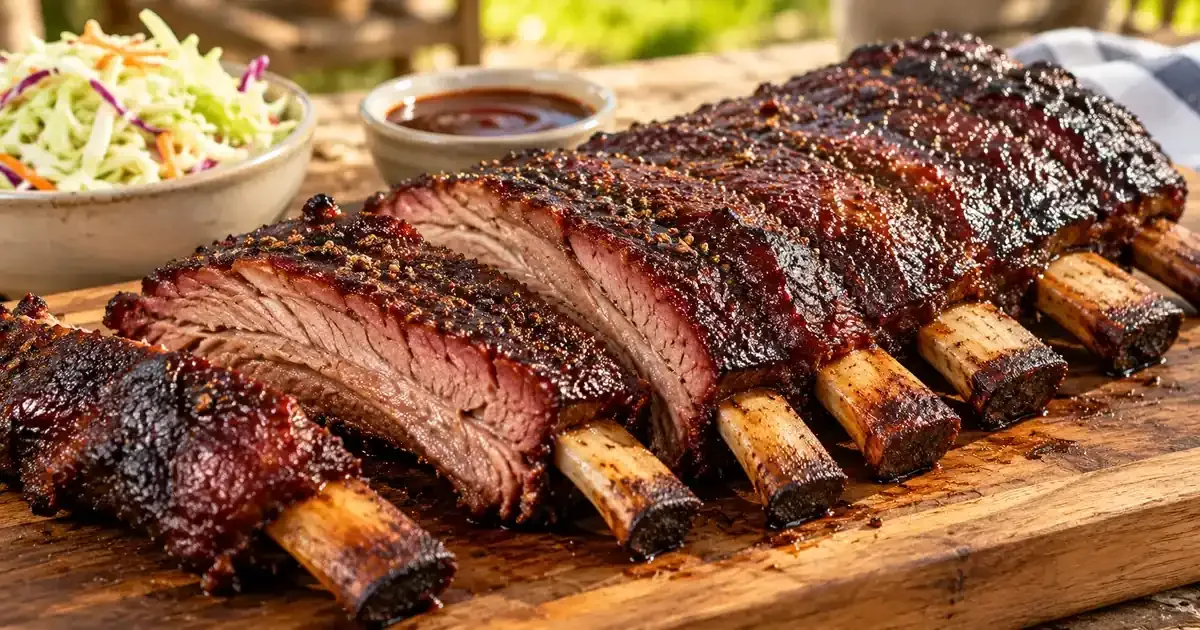
Smoked Beef Back Ribs with Dry Rub
Ingredients
Equipment
Method
- Preheat your smoker or oven to 225°F (107°C). Use oak or hickory wood for smoking.
- Remove the membrane from the back of the ribs using a butter knife and paper towel.
- In a small bowl, mix the salt, pepper, paprika, garlic powder, and onion powder to create the dry rub.
- Apply the rub generously to all sides of the ribs, pressing it in so it adheres to the meat.
- Place the ribs in the smoker, bone-side down. Close the lid and maintain a steady temperature.
- Every hour, spritz the ribs with apple juice to keep the surface moist and help build the bark.
- After 3 hours, or when the bark is well-formed, wrap the ribs tightly in butcher paper or foil with a small splash of apple juice.
- Continue cooking and check tenderness after another 2–3 hours. Beef ribs are ready when a probe slides in with little resistance. Around 200–205°F (93–96°C) is a guide, not a rigid endpoint.
- Unwrap the ribs and brush on a thin layer of BBQ sauce. Cook for another 15-30 minutes to set the glaze.
- Remove from heat and let the ribs rest, wrapped in foil, for at least 45 minutes before slicing between the bones.
Notes
Frequently Asked Questions
What cut of beef ribs is used here?
This recipe is written for beef back ribs. Beef short ribs are thicker and should not be given the same assumed cook time.
What is the best smoker temperature?
A steady 225°F works well for slow-smoked beef back ribs. Monitor the grill and adjust for weather and rack thickness.
When are smoked ribs tender enough?
A probe should slide into the meat with little resistance. Temperature near 200–205°F is a reference, not a guarantee of tenderness.
Should I wrap beef ribs while smoking?
Wrapping is optional. It can speed cooking and protect moisture but softens the bark. Wrap only after the surface has developed the texture you want.
Can I finish ribs in the oven?
Yes. You can smoke for flavor and finish in a low oven, using the same tenderness test before resting and serving.
Make This Recipe Again
With the ingredients measured and the main cooking checkpoints understood, the recipe is straightforward to repeat. Pay attention to the signs of doneness and texture described above rather than relying on the clock alone. Serve fresh when possible, and store any leftovers promptly for a later meal.