
A classic meatloaf recipe should give you tender, evenly cooked slices without making dinner complicated. This version combines ground beef with breadcrumbs soaked in milk, eggs, onion, garlic, and a ketchup glaze. The loaf has enough structure to slice, while the breadcrumb mixture helps prevent a dry, dense texture.
Baking an even loaf on a rimmed sheet, glazing it twice, and checking the center with a thermometer produce more reliable results than cooking strictly by the clock. You can serve this beef meatloaf with mashed potatoes or vegetables and refrigerate the extra slices for another meal.
Essential Ingredients for Success
To achieve the best results, you need high-quality ingredients. Here is a breakdown of what you will need for this recipe:
Step-by-Step Instructions for the Perfect Loaf
Follow these steps carefully to ensure your Classic Meatloaf comes out perfectly every time. First, begin by preheating your oven to 350°F (175°C). While the oven warms, finely dice your onions and mince your garlic. Sautéing these briefly in a small amount of butter or oil before adding them to the meat mixture is a pro-tip that removes the sharp raw bite and adds a caramelized sweetness.
In a large mixing bowl, combine your breadcrumbs and milk, letting them sit for five minutes until a paste forms. Add in your whisked eggs, Worcestershire sauce, dried parsley, salt, and black pepper. Once this liquid base is well-combined, gently crumble in the ground beef. Using your hands is the most effective way to mix, but be careful to stop as soon as the ingredients are just combined. Over-mixing is the enemy of a tender meatloaf!
Next, shape the mixture into a loaf. You can use a standard 9×5 loaf pan, but for a better crust and more even cooking, many chefs prefer shaping the loaf on a parchment-lined rimmed baking sheet. This allows the heat to circulate around all sides of the meat, creating a more uniform texture and allowing excess fat to drain away.
The Signature Tangy Glaze
No Classic Meatloaf is complete without its crown: the glaze. This sweet and savory topping caramelizes in the oven, creating a beautiful sheen and a burst of flavor that cuts through the richness of the beef. Our glaze uses a base of high-quality ketchup, mixed with brown sugar for sweetness, and a touch of apple cider vinegar for acidity. For an extra kick, a teaspoon of Dijon mustard or a dash of hot sauce can be added. You should apply half of the glaze before the loaf goes into the oven and the remaining half during the last 15 minutes of baking to ensure a thick, sticky coating.
Common Cooking Problems
One common mistake is making the loaf too dense. If you pack the meat into the pan too tightly, it will be heavy and tough. Instead, gently pat it into shape. Another issue is a soggy bottom. If you find your meatloaf is sitting in too much grease, try placing a few slices of white bread at the bottom of the pan to soak up the excess fat, or use a baking rack set inside a sheet pan.
What to Serve with Classic Meatloaf
The beauty of a Classic Meatloaf is its versatility with side dishes. For the ultimate comfort meal, serve it alongside creamy mashed potatoes and buttered green beans. The potatoes are perfect for catching any extra glaze or gravy. Other great options include roasted carrots, a crisp garden salad, or even a side of macaroni and cheese for a truly indulgent dinner.
Storing and Reheating Your Leftovers
Meatloaf is arguably even better the next day. It can be stored in an airtight container in the refrigerator for up to 3-4 days. To reheat, we recommend slicing the meatloaf and warming it in a skillet with a tiny bit of butter; this crisps up the edges and revives the flavors. Of course, the classic meatloaf sandwich , cold meatloaf on white bread with a thick layer of mayonnaise, is a culinary tradition that everyone should experience at least once.
Ingredients and Equipment
For this loaf, use two pounds of ground beef with plain breadcrumbs softened in milk, two eggs, finely diced onion, minced garlic, parsley, and simple seasonings. The glaze uses ketchup, a little brown sugar, and apple cider vinegar. Prepare a rimmed baking sheet lined with parchment and keep a food thermometer handy so you can check the thickest part before slicing.
Measure the ingredients before beginning and keep your work area organized. The detailed quantities and instructions are available in the recipe card below; the sections above explain the techniques that make the dish successful.
How to Make Classic Meatloaf Recipe
Step 1: Preheat the Oven and Line the Pan
Preheat your oven to 350°F (175°C) and line a baking sheet with parchment paper.
Step 2: Soak the Breadcrumbs in Milk
In a small bowl, combine the breadcrumbs and milk. Let sit for 5 minutes to form a panade.
Step 3: Combine Beef with the Aromatics
In a large bowl, combine the ground beef, panade, beaten eggs, diced onion, minced garlic, Worcestershire sauce, parsley, salt, and pepper.
Step 4: Mix Just Until Combined
Gently mix the ingredients with your hands until just combined, being careful not to overwork the meat.
Step 5: Shape an Even Loaf
Shape the mixture into a 9×5 inch loaf on the prepared baking sheet.
Step 6: Whisk the Ketchup Glaze
In a separate small bowl, whisk together the ketchup, brown sugar, and apple cider vinegar to make the glaze.
Step 7: Brush On the First Layer
Brush half of the glaze evenly over the top and sides of the meatloaf.
Step 8: Bake Before Glazing Again
Bake for 45 minutes, then remove from the oven and brush with the remaining glaze.
Step 9: Finish Cooking to 160°F
Return to the oven and bake for an additional 15-20 minutes, or until the internal temperature reaches 160°F (71°C).
Step 10: Rest Before Slicing
Remove from the oven and let the meatloaf rest for 10-15 minutes before slicing and serving.
Practical Tips for Consistent Results
Let the breadcrumbs stand in milk for at least five minutes before mixing them into the beef. This breadcrumb-and-milk panade spreads moisture through the loaf more evenly than dry crumbs alone. If it seems very thick, resist pouring in a large extra quantity of milk; the eggs and onion also provide moisture.
Mix the meat only until the ingredients are distributed. Pressing, kneading, or compacting the loaf can make cooked ground beef unusually firm. Shape it with gentle hands and aim for an even thickness. A free-form loaf should hold together without being packed tightly like a hamburger patty.
Apply the tomato glaze in two thin coats. The initial layer forms a lightly caramelized surface; the second layer brings back the glossy tomato flavor near the end of cooking. If the top darkens before the center is done, loosely tent with foil rather than increasing oven heat.
Ground beef should reach 160°F (71°C) at the center of the loaf. Insert a food thermometer into the thickest section without touching the baking sheet. Once done, rest the loaf for ten to fifteen minutes before slicing so the texture firms and the juices redistribute.
Serving Ideas and Variations
Mashed potatoes, roasted carrots, green beans, or a crunchy salad are natural sides. For another beef-centered dinner, browse JonasRecipes’ beef chili. For a different one-pan meal, try the ground turkey and sweet potato skillet.
When adjusting the recipe, make one change at a time and record how it affects the texture or cooking time. Substituting a different cut of meat, type of pasta, or baking dish may require a different method. Keep the basic proportions unchanged the first time so you can judge the original result before experimenting.
Storage and Food Safety
Cool cooked food promptly and refrigerate within two hours in shallow containers at 40°F (4°C) or below. For most cooked leftovers, plan to use them within three to four days. Use FoodSafety.gov’s cold-storage guidance to check a specific dish. Reheat leftovers containing cooked meat or poultry to 165°F (74°C).
Freeze portions that you will not use within the refrigerator window, with the date marked on each container. Thaw frozen cooked food in the refrigerator or with an appropriate controlled method, never for hours on the kitchen counter. Texture may change after thawing, especially for creamy sauces, flaky crusts, or crisp coatings.
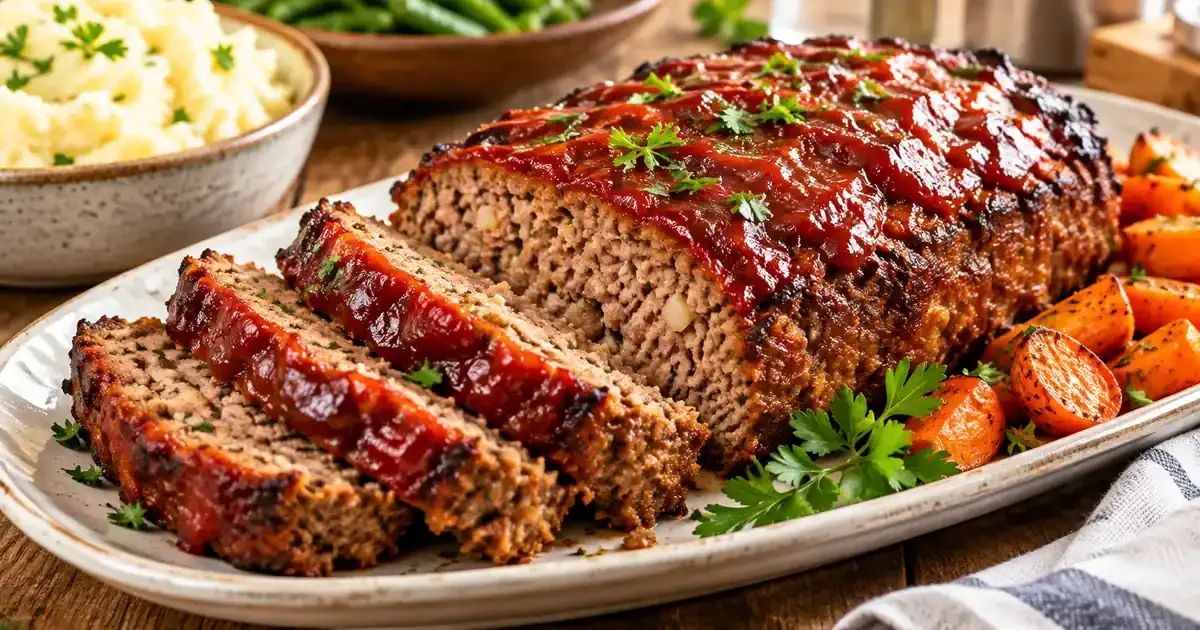
Classic Beef Meatloaf with Tangy Glaze
Ingredients
Equipment
Method
- Preheat your oven to 350°F (175°C) and line a baking sheet with parchment paper.
- In a small bowl, combine the breadcrumbs and milk. Let sit for 5 minutes to form a panade.
- In a large bowl, combine the ground beef, panade, beaten eggs, diced onion, minced garlic, Worcestershire sauce, parsley, salt, and pepper.
- Gently mix the ingredients with your hands until just combined, being careful not to overwork the meat.
- Shape the mixture into a 9x5 inch loaf on the prepared baking sheet.
- In a separate small bowl, whisk together the ketchup, brown sugar, and apple cider vinegar to make the glaze.
- Brush half of the glaze evenly over the top and sides of the meatloaf.
- Bake for 45 minutes, then remove from the oven and brush with the remaining glaze.
- Return to the oven and bake for an additional 15-20 minutes, or until the internal temperature reaches 160°F (71°C).
- Remove from the oven and let the meatloaf rest for 10-15 minutes before slicing and serving.
Notes
Frequently Asked Questions
Why is meatloaf sometimes dry?
A lean mixture, too much handling, or overcooking can make the finished loaf dry. Measure the breadcrumbs, milk, and eggs, and stop baking once the center reaches 160°F.
Why does my meatloaf fall apart?
The loaf may lack enough binder or may have been sliced before resting. Keep the measured eggs and breadcrumbs and allow at least ten minutes before cutting.
Can I bake meatloaf in a loaf pan?
Yes, but the shape and air circulation change, so the cooking time can differ. Check the center with a thermometer rather than assuming the sheet-pan time applies.
Can I make the mixture ahead?
Yes. Cover and refrigerate the prepared mixture promptly until it is time to bake. Never hold raw ground beef on the counter for an extended period.
Does meatloaf freeze well?
Cooked meatloaf freezes well in tightly wrapped slices. Thaw in the refrigerator and warm thoroughly before serving.
Make This Recipe Again
With the ingredients measured and the main cooking checkpoints understood, the recipe is straightforward to repeat. Pay attention to the signs of doneness and texture described above rather than relying on the clock alone. Serve fresh when possible, and store any leftovers promptly for a later meal.