
Lemon herb lentil and quinoa bowls combine fluffy cooked quinoa, tender lentils and crisp chopped vegetables with a bright lemon dressing. Parsley and dill make the mixture fresh rather than heavy, while cucumber and red bell pepper bring texture. This is a meal-prep recipe for four lunches that can be served chilled or cool, with no complicated sauce or special equipment.
Good grain bowls depend on moisture control. Quinoa should finish absorbing its cooking liquid before it is cooled, canned lentils should be rinsed and drained, and vegetables should not be added to steaming grains. Once those details are right, the assembly is quick. Use the printable recipe card for measurements and timing, then the guidance below for substitutions, storing and serving each portion.
A Grain Bowl Built for Practical Lunches
Lentils and quinoa are useful to keep on hand because they can be cooked ahead and combined with a wide range of vegetables. In this bowl, their soft, slightly earthy character is lifted by lemon, chopped parsley, dill, cucumber and red bell pepper. The result is a meal-prep lunch that can be served cold or cool, not a heavy hot stew or a blended soup. You can portion it into four containers without a long last-minute cooking routine.
The method is designed around contrasting textures. Quinoa should be fluffy rather than wet, lentils should remain whole, and cucumber should still have some crunch. Cooking quinoa separately and cooling it before mixing is essential. If all ingredients enter the same bowl while steaming hot, the cucumber softens and the herbs lose their freshness. The steps are simple but their order matters.
Choose Lentils That Hold Their Shape
Canned cooked lentils are the fastest starting point. Look for brown or green lentils that are tender but still intact. Pour them into a fine-mesh strainer, rinse away the packing liquid and let them drain thoroughly. Excess water can dilute the lemon dressing and make the finished bowl look soggy. A standard fifteen-ounce can usually provides enough cooked lentils for four moderate lunch portions when paired with the quinoa and chopped vegetables.
If cooking lentils from dry, prepare them in a separate pot according to the package directions. Avoid cooking them until they fall apart, because this recipe depends on distinct grains and legumes. Red split lentils tend to soften into a purée and are better used in soup. For a different lentil preparation, compare the technique with how to freeze cooked beans for meal prep, which explains why moisture control matters during storage.
Rinse Quinoa and Cook It Gently
Quinoa benefits from a thorough rinse in a fine-mesh sieve, which helps remove any bitter surface compounds left from processing. Combine three-quarters of a cup of dry quinoa with one and a half cups of water, bring to a boil and cover. Reduce heat to low and cook until the water is absorbed, usually about fifteen minutes. Then remove the saucepan from the heat and leave it covered for another five minutes.
Fluff the grains with a fork rather than mashing them with a spoon. The tiny spirals should separate and look light. If water remains at the bottom, return the pot to very low heat briefly before cooling. If grains seem dry but still firm, add a splash of water and let them steam a little longer. Do not immediately seal a steaming pot of quinoa into lunch containers. Transfer it to a shallow dish so it can cool promptly.
Cucumber and Pepper Give the Bowl Crunch
Dice cucumber into small, even pieces and pat the surface dry with a clean towel. This helps prevent puddles in the base of a packed lunch. Red bell pepper adds sweetness, color and a firmer bite. Cut it to about the same size as the cucumber so each forkful includes a bit of everything. Chopped vegetables need not be perfect cubes, but consistent pieces distribute more evenly.
The vegetables are best mixed into quinoa that is no longer steaming. A warm bowl can wilt herbs and soften cucumber before you even close the container. If making lunch several days ahead, store half of the chopped cucumber separately and add it shortly before eating. This small step helps the later portions feel more like a freshly assembled salad. Avoid adding a large quantity of juicy tomatoes unless you adjust the storage plan.
Make the Lemon Herb Dressing
Whisk fresh lemon juice, zest and extra-virgin olive oil with black pepper and a small amount of salt. The zest contributes fragrance without making the bowl sharply acidic. Use chopped parsley and dill as the herbs rather than relying on dried seasoning: their fresh flavor is central to this recipe. Taste the dressing on a small spoonful of quinoa before pouring it over the full bowl.
If the lemon tastes too strong, add a little more olive oil or a small quantity of quinoa, not sugar. If the finished mixture seems bland, another pinch of fresh herbs or pepper may help more than extra salt. Do not flood the bowl with dressing. The quinoa and lentils should be lightly coated, with no large pool of oil or citrus juice collecting beneath them.
Assemble Four Balanced Bowls
Transfer cooled quinoa to a wide mixing bowl, add drained lentils and fold gently. Add diced pepper and cucumber, then drizzle the dressing around the sides of the bowl. Lift and turn the mixture with a spoon until the ingredients are coated. Fold chopped parsley and dill through at the end, reserving a little for garnish if desired. The mixture should look defined and colorful rather than mashed or soupy.
The printable recipe card below provides the full quantities, cooking times and ordered instructions. Divide the mixture into four covered containers. Optional toasted pumpkin seeds are best stored separately and sprinkled on top when serving, so they remain crisp. This bowl is intentionally different from pesto white bean orzo lunch bowls, which use pasta, white beans and a basil dressing.
Printable Recipe Card
Use the recipe card for precise quantities, four-serving yield and the grain-cooking method.
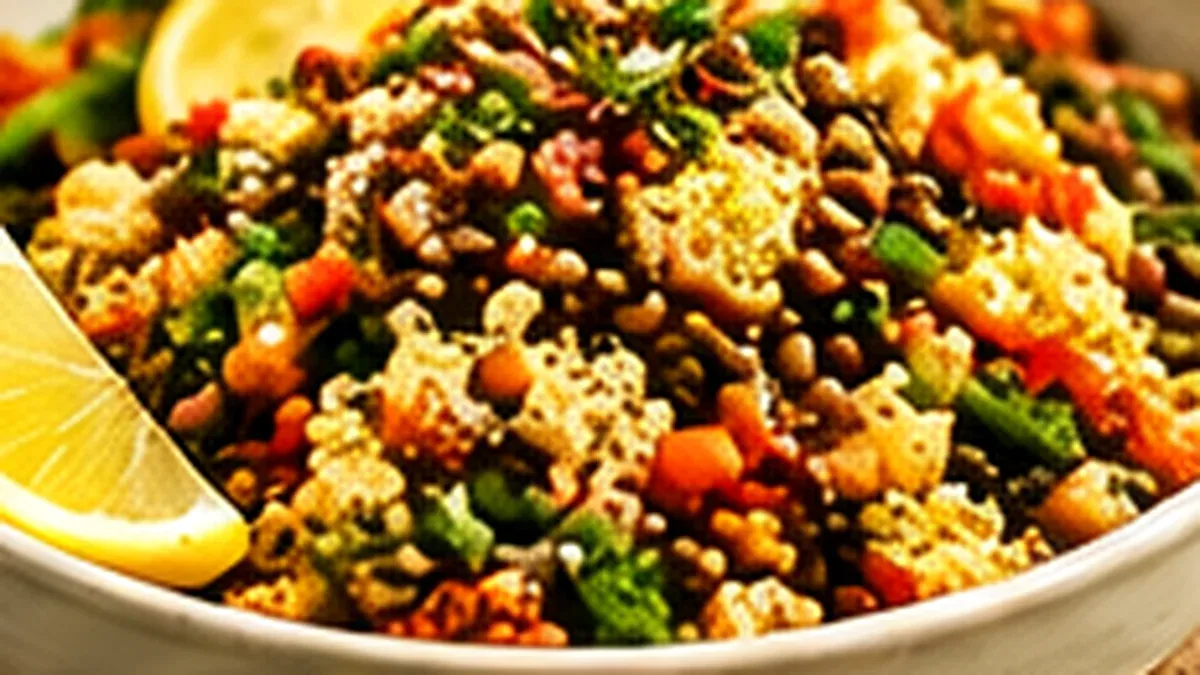
Lemon Herb Lentil and Quinoa Bowls
Ingredients
Method
- Rinse quinoa in a fine-mesh sieve. Combine with 1 1/2 cups water in a covered saucepan, bring to a boil, then reduce to low and simmer about 15 minutes until water is absorbed.
- Remove from heat and rest, covered, for 5 minutes; fluff with a fork and spread in a shallow dish to cool promptly.
- Rinse and drain cooked lentils. Dice cucumber and bell pepper, and chop parsley and dill.
- Whisk olive oil, lemon juice, lemon zest, pepper, and salt in a small bowl.
- Combine the cooled quinoa and lentils with the vegetables and dressing; fold in fresh herbs and divide among four bowls.
- Top with optional pumpkin seeds just before serving. For meal prep, refrigerate in shallow covered containers without leaving cooked grains at room temperature.
Notes
Serving Ideas for Different Appetites
Serve the bowls chilled or cool, with extra lemon wedges at the table. A piece of flatbread is convenient if you want a more substantial lunch. A few leafy greens can be added shortly before eating, although they may wilt if left dressed for several days. For a family table, offer pumpkin seeds separately so guests can decide whether to add them and so anyone with relevant allergies can avoid them.
The same lemon herb profile pairs with grilled vegetables or a small piece of simply cooked chicken, but that changes the composition and should not be presented as part of the base recipe. If you are making several different lunches in one prep session, alternate these bowls with lemon artichoke white bean pasta for a warm dish with an entirely different texture and preparation.
Troubleshooting Watery or Heavy Bowls
A watery bowl often starts with incompletely drained canned lentils, wet cucumber or quinoa that never finished absorbing its cooking liquid. Let each ingredient release excess moisture before combining. If the dressing pools at the bottom, lift the mixture into another container using a slotted spoon and reduce the added liquid next time. Do not try to thicken a salad by stirring in raw flour or more dry quinoa.
If the bowl tastes heavy, the quinoa may have been overcooked or the lentils may be broken down. Fluff grains while still warm, then cool before mixing. If herbs turn dark, they were probably added when the grains were too hot or stored too long after being chopped. Reserve herbs for finishing when possible. These are texture issues rather than reasons to add much stronger seasoning.
Refrigeration and Food Safety for Meal Prep
Cooked grains and lentils must be handled like other prepared foods. Cool quinoa promptly in a shallow dish, assemble when no longer steaming and place packed portions into the refrigerator within two hours. Use the refrigerated bowls within three to four days, keeping the refrigerator adequately cold. If bringing a container to work, use an insulated bag with a cold pack rather than leaving it in a warm car or on a desk.
For maximum freshness, keep delicate herbs, cucumber and pumpkin seeds separate until serving. Do not repeatedly take the same large container in and out of the refrigerator to assemble meals. Portion the batch once, label the containers and keep them covered. See how to pack hot and cold lunches safely for more practical guidance on chilled transport.
A Flexible Foundation Rather Than a Fixed Diet Plan
The appeal of a lemon herb lentil quinoa bowl is its practical assembly, not a promise about a specific number of calories or grams of protein. Nutrition depends on ingredient brands, portion sizes and optional toppings. This article deliberately does not provide unverified nutritional calculations. It does provide a measured four-serving method with clear texture and storage checks so you can repeat the meal successfully.
Once the base method is familiar, try changing one fresh vegetable or herb at a time, while keeping the grain-to-bean ratio and lemon dressing balanced. A simple bowl can be as useful as a complex recipe when it helps you prepare lunch without waste. The strongest result comes from fluffy quinoa, intact lentils, crisp vegetables and dressing added at the right stage.
Frequently Asked Questions
Can I use canned lentils in quinoa bowls?
Yes. Canned lentils are cooked and convenient. Rinse and drain them thoroughly before folding into cooled quinoa.
Do I need to cool quinoa before adding cucumber?
Yes. Let cooked quinoa cool promptly before mixing in cucumber and fresh herbs, which are best added to cool grains.
Can I use brown or green lentils?
Yes. Both hold their shape well. Avoid overcooked lentils that have already broken down, because the bowl may become pasty.
How long do lentil quinoa bowls last in the refrigerator?
Refrigerate promptly in shallow covered containers and generally use within three to four days. Keep fresh crunchy toppings separate for better texture.
Can I make this bowl without pumpkin seeds?
Absolutely. The seeds are optional; leave them off or use a different topping according to your preferences and any allergy concerns.