
Butter bean tomato basil salad is a practical lunch built from ingredients that require almost no preparation: cooked canned butter beans, cherry tomatoes, red onion, fresh basil and a lemon-garlic dressing. Large butter beans feel substantial, while the vegetables keep the bowl light and fresh. The appeal is in their contrast rather than an elaborate sauce or a long list of seasonings.
This fifteen-minute recipe depends on a few small techniques. Drain the beans thoroughly, cut tomatoes cleanly, slice onion thinly and tear basil close to serving time. Fold the salad gently so the beans stay intact. For meal prep, keeping tomatoes and herbs separate until lunchtime makes the biggest difference in texture. The recipe card shows the exact amounts and method, followed by practical storage and substitution guidance.
Table of Contents
Why This No-Cook Salad Works
Butter beans have a tender interior and a mild flavor that absorbs a lemony dressing without needing to be mashed. They are larger than many other canned beans, so they give the salad a substantial texture. Halved cherry tomatoes bring acidity and sweetness, red onion adds a little bite, and basil supplies a fresh aroma. A simple mixture of olive oil, lemon and garlic pulls the ingredients together without covering up the beans.
The recipe is intended as a light lunch or a substantial side, not as a complicated grain bowl. It can be served in fifteen minutes when the beans are already cooked. For the most predictable texture, rinse canned beans and drain them thoroughly, then fold ingredients together instead of tossing with force. Unlike a warm bean skillet, this recipe needs no stovetop time and is best served chilled or cool.
Choose the Right Butter Beans
Look for cans labeled butter beans or large lima beans. The beans should be cooked and tender, not hard or chalky. Open the cans carefully and pour them into a sieve. Rinse briefly under cool water to remove the thick packing liquid, then shake the sieve gently until there is little water left clinging to the beans. Excess water dilutes the dressing and makes the salad look wet even when the ingredients are otherwise correct.
The size of butter beans is part of their appeal, but it also means they can break if stirred aggressively. Use a wide mixing bowl and a silicone spatula or large spoon. If you only have cannellini beans, they can be substituted, but the finished salad has a smaller, softer texture and should be viewed as a variation. Our tuna and white bean salad is another bean-centered lunch with a different main ingredient and dressing.
Tomatoes, Onion and Basil: Timing Matters
Cherry tomatoes are convenient because they hold their shape better than large watery tomatoes once sliced. Halve them with a sharp knife and let obvious excess juice drain away. Thinly sliced red onion provides contrast without dominating. If your onion is particularly sharp, soak the slices briefly in cold water and drain well before adding them. Use a quarter cup as a starting point rather than a large mound.
Fresh basil is most fragrant just after tearing. Cutting it far in advance can darken the edges, and coating it with dressing for a whole day can make it limp. Tear the leaves just before serving, or pack them separately for lunch the next day. You can replace basil with parsley if necessary, although the final dish will have a different aromatic profile. Dried basil is not a direct replacement for the fresh leaves in this particular salad.
Build a Lemon Dressing That Clings
Whisk extra-virgin olive oil, fresh lemon juice and zest with finely grated garlic and black pepper. A small pinch of ground mustard is optional and can help the mixture feel more cohesive, but you do not need a heavy creamy dressing. Taste the mixture before adding it to the beans. Lemons vary in tartness, and canned beans can vary in salt content, so final seasoning should be based on the finished salad rather than a fixed assumption.
If the dressing seems too acidic, fold in a little additional olive oil or a few extra beans. If it tastes flat, check whether you included lemon zest and freshly ground pepper. Avoid pouring extra water into the dressing; it will not help it adhere to the beans. The aim is a light coating that highlights each ingredient. A spoonful of dressing should not pool at the bottom of the serving bowl.
Combine Without Crushing the Beans
Place drained butter beans in a wide bowl, add halved tomatoes and sliced onion, then pour the lemon dressing around the edges. Fold gently with a spatula, lifting from the bottom rather than stirring in small circles. This keeps the large beans relatively intact and distributes the dressing. Let the dressed mixture rest for five minutes in the refrigerator, then fold through torn basil leaves just before serving.
The printable recipe card below provides the exact quantities and simple five-step method. Because there is no cooking stage, preparing ingredients cleanly and controlling moisture are the key skills. Do not leave prepared salad at room temperature for hours while doing other tasks. Refrigerate it promptly, and return individual portions to the refrigerator if they will not be eaten immediately.
Printable Recipe Card
Find measured ingredients, serving yield and the no-cook method in the structured recipe card below.
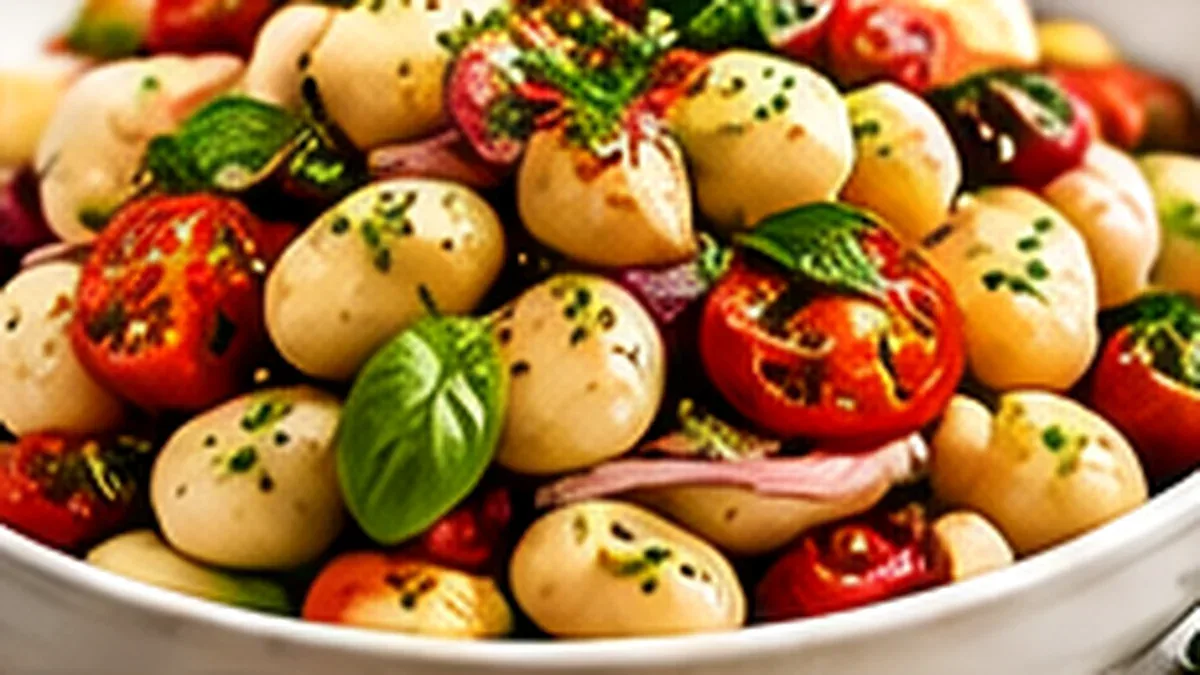
Butter Bean Tomato Basil Salad
Ingredients
Method
- Place butter beans in a sieve, rinse with cool water, and allow to drain very thoroughly; pat dry lightly if still wet.
- Halve cherry tomatoes and thinly slice red onion; tear fresh basil immediately before mixing.
- In a large mixing bowl whisk olive oil, lemon juice, zest, optional Dijon mustard, garlic, black pepper, and a pinch of salt.
- Add beans, tomatoes, and red onion; fold gently with a wide spoon so the delicate beans keep their shape.
- Fold in basil at the end. Let stand 5 minutes in the refrigerator to combine flavors and serve chilled; refrigerate promptly if making ahead.
Notes
What to Serve with Butter Bean Salad
The salad can be a light meal by itself, particularly when served with warm toast or a small piece of flatbread. It also works as a side for grilled chicken or a bowl of soup. If you want to keep lunch entirely plant-based, serve it alongside roasted vegetables or a simple grain. The beans already contribute texture, so a side dish need not be overly elaborate.
For a portable lunch, pack the salad in a leak-resistant container and keep bread separately so it does not become damp. Our guide to packing hot and cold lunches explains the importance of keeping chilled foods at safe temperatures. A different bean-focused lunch option is pesto white bean orzo bowls, which use small pasta and pesto rather than lemon and fresh basil.
Easy Variations That Do Not Change the Method
Cucumber can add crunch, but dice and pat it dry before folding it into the beans. A few slices of bell pepper also work. If using extra vegetables, reduce the amount of tomatoes slightly so the total mixture does not become wet. For a stronger lemon note, increase zest rather than pouring in much more juice. Toasted sunflower seeds can give a finishing crunch, but add them shortly before eating.
If you want a softer and creamier variation, mash a few beans against the side of the bowl to thicken the dressing naturally, leaving the rest whole. Do not mash everything into a spread unless that is what you intended to make. If using chickpeas in place of butter beans, the texture changes substantially; for an intentionally different chickpea-based option, see our Mediterranean chickpea salad.
How to Make It Ahead Without Sogginess
For next-day lunch, mix the drained beans and dressing in one container and store cut tomatoes and basil in separate small containers. Add the tomatoes and basil when you are ready to serve. This prevents basil from bruising and keeps excessive tomato juice out of the beans. You can also leave the red onion in the dressing overnight, which softens its bite slightly.
Refrigerate prepared ingredients promptly in covered containers, and use the finished salad within about three to four days. Fresh tomatoes may soften before then, so for best texture prepare smaller batches of the vegetables. If the bean mixture looks dry after chilling, fold through a teaspoon of olive oil or a little lemon juice, rather than soaking it with liquid. Keep all perishable portions chilled during transport.
Common Problems and How to Fix Them
A watery salad usually means the beans were not drained well or the tomatoes released a lot of juice. Drain more thoroughly next time, and use a slotted spoon if serving from a container that has collected liquid. A dull flavor can result from old dried herbs, lemon juice without zest or too little seasoning. Fresh basil is the central flavor, so add it close to serving and taste the beans after dressing.
Broken beans are still edible and do not necessarily ruin the lunch, but they make the mixture look less defined. Use a wider bowl and fold fewer times in your next batch. If you accidentally add too much raw onion, remove some of the visible slices or balance the mixture with more beans and tomatoes. The salad is meant to feel simple and fresh, not complicated by a long list of extra ingredients.
A Useful Addition to the Lunch Rotation
Butter bean tomato basil salad offers a different kind of meal-prep lunch from sandwiches and pasta. There is no stovetop cooking, and the ingredients are easy to measure, drain and assemble. The dish is especially useful when you want a fresh bowl in minutes, provided you keep the basil and tomatoes in good condition.
Start with the five-step method, then adjust garnishes to suit what you have. Avoid making large claims about nutritional values unless you calculate them from actual ingredient brands and serving sizes. Focus instead on the qualities the recipe reliably offers: tender beans, juicy tomatoes, bright lemon, fresh basil and a no-cook preparation that is easy to repeat.
Frequently Asked Questions
Are butter beans the same as lima beans?
Butter beans are a type of mature lima bean. Canned butter beans work especially well here because they are large and creamy, but their exact size varies by brand.
Can I make this salad a day ahead?
Yes. Rinse and drain the beans, prepare the dressing and refrigerate. For the best texture, add fresh basil and especially juicy tomatoes shortly before eating.
Do I need to cook canned butter beans?
Canned butter beans are already cooked. Rinse and drain them well, then use them straight in this no-cook salad.
How do I keep butter beans from breaking?
Drain gently and fold with a wide spoon rather than vigorous stirring. Add the basil last to avoid bruising it.
How long does the salad keep?
Refrigerate promptly and generally use within three to four days. The tomatoes and basil may soften, so keep them separate if preparing several portions.